« 1850年前后的美国南北部:移民与奴隶制 » : différence entre les versions
Aucun résumé des modifications |
|||
| Ligne 43 : | Ligne 43 : | ||
[[Fichier:Texas Declaration of Independence.jpg|thumb|right|150px|德克萨斯州独立宣言》全文。]] | [[Fichier:Texas Declaration of Independence.jpg|thumb|right|150px|德克萨斯州独立宣言》全文。]] | ||
十九世纪五十年代,美国奴隶州和自由州之间的平衡问题成为一个核心政治问题,反映了南北之间日益紧张的关系。随着新领土的增加和新州的成立,向西和向南的扩张加剧了这些紧张局势,并有可能打破 1820 年《密苏里妥协法案》建立的微妙平衡。密苏里妥协方案是一个短期解决方案,旨在维持参议院中奴隶州和非奴隶州之间的平衡。随着缅因州被接纳为自由州,密苏里州被接纳为奴隶州,妥协方案成功地暂时缓解了紧张局势。但这只是暂时解决了一个长期存在的问题。随着 1848 年加利福尼亚州发现黄金以及随之而来的淘金热,奴隶制问题再次浮出水面,变得更加紧迫。加利福尼亚州是作为自由州还是奴隶州被接纳,成为争论的焦点,反映了全国在奴隶制问题上的深刻分歧。为此,美国通过了《1850 年妥协法案》,这是一套复杂的措施,旨在维持奴隶制州和非奴隶制州之间的平衡,避免一触即发的内战。妥协方案包括接纳加利福尼亚州为自由州,建立不限制奴隶制的新墨西哥州和犹他州,以及通过更严格的逃亡奴隶法。后者尤其加剧了南北之间的紧张关系,因为它增加了奴隶逃跑的难度,并将帮助逃跑的奴隶定为犯罪。1850 年妥协法案》设法暂时缓解了紧张局势,但并未解决根本问题。相反,它为新的分裂和冲突奠定了基础。一个国家既崇尚自由和平等的理想,又深深植根于依赖奴隶制的经济,这种内在矛盾最终会爆发,导致美国内战。1850 年妥协之前的时期是美国历史上的一个关键阶段,也是联邦裂痕变成鸿沟的时期。为渡过难关所做的努力揭示了当时政治、经济和社会问题的复杂性,也让人们看到了治理这样一个幅员辽阔、多元化国家所面临的挑战。 | |||
1836 年 3 月 2 日,在布拉索斯河畔华盛顿召开的 1836 年大会上通过了《得克萨斯独立宣言》,这是得克萨斯州共和国历史上具有决定性意义的时刻。该文件宣布得克萨斯从墨西哥独立,并列举了一系列对墨西哥政府的不满,为分离提供了理由。 | |||
宣言全文开宗明义地写道:"当一个政府不再保护人民的生命、自由和财产时,它就不再是人民的合法权利的来源,也不再是为了增进人民的幸福而建立的,它不但不能保障人民享有这些不可估量和不可剥夺的权利,反而成为邪恶统治者手中压迫人民的工具。 | |||
这一强有力的声明表达了一种深深的不公正感,并坚信墨西哥政府背叛了其本应遵循的基本原则。文件接着具体列举了墨西哥的不公正行为,以及得克萨斯州通过法律手段纠正这些不公正行为的努力。从历史背景来看,《得克萨斯独立宣言》是得克萨斯定居者与墨西哥政府之间日益紧张关系的产物。墨西哥总统桑塔-安纳推行中央集权改革,加强了中央政府对得克萨斯州的控制,从而加剧了文化、宗教和政治分歧。独立宣言引发了德克萨斯革命,这场武装冲突一直持续到德克萨斯军队赢得圣哈辛托战役。德克萨斯共和国随后作为一个主权国家存在了近十年,1845 年被美国吞并。得克萨斯独立宣言》仍然是争取自决和自由斗争的象征,反映了民主和主权的理想,这些理想激励着殖民者寻求独立。它是了解 19 世纪德克萨斯州与墨西哥之间复杂且经常冲突的动态关系的重要文件,并继续在当代德克萨斯文化和身份认同中产生共鸣。 | |||
得克萨斯州独立宣言》文本的延续深刻反映了导致得克萨斯州脱离墨西哥的紧张局势。宣言》描述了一种背叛感,以及墨西哥政府从一个主权国家联邦到《宣言》作者所认为的 "巩固的中央军事专制 "的巨大转变。 | |||
措辞如下 "当他们宣誓支持的国家《联邦宪法》不再具有实质性存在,他们政府的整个性质在未经他们同意的情况下被武力改变,从一个为了特定国家目的而联合起来的主权国家的有限联邦变成了一个合并的中央军事专制主义,在这个专制主义中,除了军队和神职人员的利益之外,其他一切利益都被蔑视,而军队和神职人员都是公民自由的永恒敌人、权力的随时仆从和暴君的惯用工具。"这部分文字突出了德克萨斯人对墨西哥联邦宪法受到侵蚀以及权力集中在军队和神职人员手中的强烈不满,他们认为军队和神职人员是自由的敌人。提到未经同意的变革,表达了对信任和民主原则的践踏,激发了人们对独立的渴望。这些词句捕捉到了变革和冲突的时刻,这不仅体现在得克萨斯州和墨西哥的关系中,也体现在更广泛的争取自治和代议制治理的斗争中。选择 "专制主义"、"暴君 "和 "公民自由的永恒敌人 "等强烈措辞表明了人们的愤怒程度,以及对独立不仅合理而且必要的坚定信念。文件还详细阐述了具体的不满,并对墨西哥政府的行为提出了慷慨激昂的控诉,肯定了得克萨斯州按照自己的条件和价值观进行治理的决心。 | |||
德克萨斯独立宣言》的续篇进一步加强了对墨西哥政府的尖锐批评。这段文字是对德克萨斯人的权利和尊严受到侵犯的慷慨呐喊,也是他们寻求独立的坚定宣言。文中写道:"当宪法的精神消失很久之后,当权者终于彻底失去了节制,甚至连自由的表象都被压制,宪法的形式也被抛弃,他们的请愿和恳求不但没有被理睬,反而把承受他们请愿和恳求的代理人扔进了地牢,并派出雇佣军用刺刀把一个新政府强加给他们"。这一段以丰富的想象和情感描绘了一幅压迫和暴政的画面。它让人联想到墨西哥政府不仅放弃了宪法原则,还积极压制通过军事力量纠正冤情的尝试。地牢"、"雇佣军"、"刺刀尖 "等词语强调了武力的残酷使用,以及德克萨斯人对他们所认为的公然不公正的愤慨。从历史背景来看,这段话反映了导致德克萨斯革命和随后德克萨斯独立的紧张局势。独立宣言》中表达的情绪既是得克萨斯州与墨西哥中央政府之间深刻分歧和误解的产物,也是这种分歧和误解的反映。得克萨斯州独立宣言》中的言辞捕捉到了一个充满斗争和变革的时代,作为追求自由和自决的雄辩证明,今天仍能引起人们的共鸣。 | |||
德克萨斯独立宣言》中这段文字的结尾在压迫者和被压迫者之间划出了一条清晰明确的界线,证明反抗是一种权利和义务。全文如下 "当在这样的危机中,政党的不同意见被遗忘,压迫者和被压迫者之间的界限被划清,后者就有权利和义务反抗前者,并拿起他被迫拿起的武器,捍卫他的人身、财产和权利,为了这些,他已经抵押了他的生命、财富和神圣的荣誉"。在这些话语中,修辞达到了高潮,超越了党派之争,聚焦于自由、尊严和人权的基本原则。这些语言充满了深刻的庄严感,不仅将争取独立的斗争描述为一种选择,而且是一种道德和伦理义务。呼吁 "拿起武器",捍卫 "人身、财产和权利",强调了形势的紧迫性和对事业的全面承诺。对 "生命、财富和神圣荣誉 "的提及放大了利害关系,将其表现为一场为身份、生存和完整而进行的终极斗争。得克萨斯州独立宣言》中这些强有力的文字抓住了历史上一个决定性的时刻,概括了导致得克萨斯州共和国成立的决心、愤怒和理想主义。这些文字作为对自由和自决的普遍追求的证明,继续引起人们的共鸣,并提醒人们,牺牲和价值观可以决定一个国家的命运。 | |||
得克萨斯州在 19 世纪上半叶的历史复杂而深刻地反映了美国当时的紧张局势,尤其是与奴隶制和领土扩张有关的紧张局势。得克萨斯州在这些争论中所扮演的角色为我们提供了一个迷人的窗口,让我们了解美国历史上这一动荡时期的各种力量。英美定居者带着他们自己的奴隶制和财产权观念大批涌入得克萨斯州,很快就使当地的法律和价值观与墨西哥政府的法律和价值观发生了冲突,墨西哥政府在 1829 年废除了奴隶制。紧张局势不断升级,直至爆发起义,最终于 1836 年发表了《得克萨斯独立宣言》。新成立的德克萨斯共和国在奴隶制问题上自相矛盾,反映了整个美国面临的更广泛的困境。尽管 1829 年正式废除了奴隶制,但奴隶制仍在继续,这反映了立法理想与现实之间的差距。1845 年得克萨斯州并入美国,凸显了奴隶制州与非奴隶制州之间平衡的关键问题。得克萨斯州的加入增加了奴隶制州的数量,加剧了国会内部和全国的紧张局势。美国国会承认得克萨斯州独立,但拒绝立即吞并得克萨斯州,这一事实说明了问题的争议性有多大。德克萨斯州历史上的这段插曲突出了联邦内部扩张、奴隶制和政治权力等相互关联的主题。它说明了有关一块领土的决定如何能够产生全国性的影响,以及地方问题如何能够演变成国家危机。得克萨斯州成为当时道德、法律和政治困境的一个缩影,其复杂的历史继续揭示着塑造美国身份和命运的挑战。[[File:Polkpolk.jpg|thumb|left|150px|詹姆斯-诺克斯-波尔克(1795-1849 年)是美国第十一任总统。他当选总统的任期为 1845 年至 1849 年。]] | |||
俄勒冈州在 19 世纪中叶的历史深刻反映了当时影响美国其他地区的民族矛盾,包括领土扩张、原住民权利和奴隶制问题。涌向俄勒冈和在该地区定居的浪潮凸显了白人扩张与土著部落权利之间的紧张关系。条约往往是不公正的、被操纵的,被用来强行将美洲原住民从他们祖先的土地上赶走。为西向扩张辩护的 "天命论 "往往成为这些迁移的思想基础。俄勒冈州的情况反映了美国各地剥夺和压迫原住民的更广泛模式。1848 年,俄勒冈州成为无奴隶制地区,这反映了关于将奴隶制扩展到新领土和新州的全国性辩论。俄勒冈州北部的定居者普遍反对奴隶制,他们成功地使俄勒冈州成为一个无奴领地。然而,这也加剧了南北之间的紧张关系,因为每一块新的领土或州加入联邦,都有可能打破奴隶制州和非奴隶制州之间的微妙平衡。俄勒冈州成为全国奴隶制争论的另一个热点,最终导致了南北战争。俄勒冈州的局势也显示了地区动态如何与国家问题相互作用。与加拿大人和英国人的关系,以及当地人对殖民化和经济的担忧,对俄勒冈州如何处理这些更广泛的问题起到了一定的作用。俄勒冈州的决策与当地和地区问题有关,但也对全国性的辩论产生了影响。19 世纪 40 年代和 50 年代的俄勒冈州说明了在特定的地区背景下,人们是如何理解和诠释国家扩张、美洲原住民权利和奴隶制等主题的。俄勒冈州的历史为我们了解美国历史上这一关键时期增添了另一层复杂性,展示了看似地方性的问题是如何在全国甚至全球范围内产生共鸣的。 | |||
19 世纪 40 年代詹姆斯-K-波尔克担任总统期间是美国历史上最复杂、最重要的时期之一。这一时期的特点是领土扩张、奴隶制以及由此引发的地区紧张局势。在此期间,"天命"(Manifest Destiny)意识形态,即美国注定要从海岸线扩张到海岸线的思想,是一股推动力量。詹姆斯-波尔克(James K. Polk)是这一理论的狂热支持者,他将向西扩张视为国家的首要任务。这导致美国积极争取大片领土,为日后的冲突奠定了基础。吞并得克萨斯州是一个有争议的问题,特别是因为它是一个奴隶制国家。德克萨斯州的加入加剧了南北之间的紧张关系,打破了奴隶制州与非奴隶制州之间微妙的平衡。这些紧张局势的升级最终导致了波尔克策划的美墨战争,其结果是墨西哥获得了格兰德河以北的领土。这些新领土的获得带来了一系列新问题,因为国家必须决定是否允许在这些地区实行奴隶制。1850 年妥协法案》试图解决这些问题,为这些领土制定了新的规则,并试图在北方和南方的利益之间保持一种岌岌可危的平衡。然而,这些措施只是推迟了不可避免的对抗。波尔克担任总统期间做出的决定为南北战争奠定了基础。扩张和奴隶制问题继续分裂国家,达成的妥协被证明不足以维持和平。波尔克留下的遗产错综复杂,既有成功的领土扩张,也有国家分裂的加剧,影响深远。詹姆斯-K-波尔克的总统任期在 19 世纪中期美国扩张主义政策的制定过程中发挥了关键作用。在他的任期内,奴隶制和领土扩张问题是冲突和深刻分歧的根源,塑造了美国历史。他致力于扩张,在促进经济和领土增长的同时,也制造了紧张局势,最终导致了南北战争。他的遗产仍然是一个争论和研究的主题,反映了美国历史上这一关键时期的复杂性。 | |||
在詹姆斯-K-波尔克(James K. Polk)担任总统期间,美国经历了一个具有里程碑意义的领土扩张时期,其主要驱动力是 "天命论"(Manifest Destiny)。这一理论认为,美国在北美大陆的扩张是不可避免的,也是命中注定的,它影响了当时的政治和外交。这种扩张的核心是将得克萨斯州和佛罗里达州并入美国。尤其是得克萨斯州,由于奴隶制问题而备受争议。吞并得克萨斯州加剧了美国北部和南部各州之间的紧张关系,加剧了关于奴隶制州和非奴隶制州之间权力平衡的争论。1846 年开始的美墨战争也成为波尔克总统任期内的焦点。这场战争源于得克萨斯州和墨西哥之间的边界争端,被北方各州的许多人视为奴隶制的侵略性和不合理扩张。围绕这场战争的争议与领土扩张和努力扩大奴隶制州的势力范围有关。美墨战争的胜利使美国在西部获得了大片领土,包括加利福尼亚、内华达、犹他、亚利桑那、新墨西哥以及科罗拉多、怀俄明、堪萨斯和俄克拉荷马的部分地区。这些新领土加剧了关于扩大奴隶制的争论,并为北方和南方各州之间的关系创造了新的动力。詹姆斯-K-波尔克的总统任期是美国历史上的关键时期,其特点是扩张、战争和日益紧张的国家关系。天命论和由此产生的政策塑造了美国的发展轨迹,为向西扩张铺平了道路,但也为后来的分裂和冲突埋下了伏笔。吞并得克萨斯州和美墨战争加剧了围绕奴隶制的争论,为最终导致美国内战的紧张局势奠定了基础。波尔克时期仍然是美国历史上复杂而多维的一章,反映了一个处于变革阵痛中的国家的理想、抱负和困境。[[File:Mexico nebel.jpg|thumb|Prise de Mexico par les troupes U.S. par Carl Nebel dans The War Between the United States and Mexico, Illustrated (1851).]] | |||
美墨战争从1846年持续到1848年,是美国扩张史上的关键时刻。瓜达卢佩-伊达尔戈条约》将战争推向高潮,墨西哥以1500 万美元为交换条件,将包括加利福尼亚州、内华达州、犹他州、亚利桑那州、新墨西哥州以及科罗拉多州、怀俄明州、堪萨斯州和俄克拉荷马州部分地区在内的大片土地割让给美国。这次收购被称为 "墨西哥割让",是美国实现 "天命 "的重要一步。但同时也加剧了南北双方在奴隶制问题上日益加剧的分歧。新获得的大片领土再次引发了关于在这些新领土上允许还是禁止奴隶制的争论。经济严重依赖奴隶制的南方各州希望新领土能为奴隶制铺平道路。另一方面,北方各州在很大程度上反对奴隶制的扩张,并担心联邦政府内部的权力平衡会向奴隶制各州倾斜。因此,墨西哥割让加剧了紧张局势和分歧,最终导致了南北战争。它凸显了奴隶制问题是如何与当时的领土扩张政治密不可分地联系在一起的,以及追求增长和繁荣是如何对国家统一产生深远而持久的影响的。 | |||
1848 年在加利福尼亚发现的黄金引发了淘金热,吸引了成千上万来自美国各地和世界各地的人。突如其来的财富诱惑驱使包括中国移民在内的许多人来到西海岸。这些中国移民在 19 世纪加州和西海岸的发展中发挥了至关重要的作用。他们不仅为金矿开采做出了贡献,还在其他行业工作,如修建横贯大陆的铁路。他们的辛勤工作和决心常常受到人们的钦佩,但同时也遭到歧视和偏见。淘金热也对奴隶制问题产生了影响。加利福尼亚州人口的迅速增长引发了该州是作为自由州还是奴隶州加入联邦的问题。最终,作为《1850 年妥协法案》的一部分,加利福尼亚州于 1850 年被接纳为自由州,该法案旨在维持奴隶制州与非奴隶制州之间的平衡。因此,淘金热不仅对加利福尼亚州的经济和人口产生了深远影响,也对全国的政治格局产生了深远影响,加剧了奴隶制问题上的紧张关系,最终导致了内战。 | |||
19 世纪中叶,美国西部的扩张和殖民化标志着欧洲定居者与该地区原住民之间的关系进入了一个悲剧性的分裂时期。肥沃土地的承诺和财富的诱惑,特别是在 1846 年俄勒冈州被吞并和 1848 年加利福尼亚州发现黄金之后,导致大量移民涌入西部。这次西迁导致定居者与美洲原住民之间的紧张关系和暴力事件增加。定居者坚信他们的 "显赫命运 "是统治这片大陆,因此常常蔑视和残忍地对待原住民。许多部落被迫放弃祖先的土地,定居在偏远且往往贫瘠的保留地上。欧洲人带来的疾病、武装冲突的暴力和强迫劳动使他们的人口锐减。当时的政府政策,如 1830 年的《印第安人迁移法》,支持甚至鼓励这种强迫迁移和奴役土著人的行为。眼泪之路 "等事件见证了这一时期美洲印第安人遭受的苦难和不公。最终,西进扩张深刻地改变了土著人民的生活方式和文化,留下了持久的伤痕,至今仍在美国与土著民族的关系中产生共鸣。这个时代的遗产仍然是人们思考和争论的主题,凸显了美国扩张动机和后果的复杂性和模糊性。 | |||
19 世纪美国对西部的征服引发了深刻的伦理和道德问题,这些问题至今仍引起人们的共鸣。美国咄咄逼人的领土扩张往往以牺牲原住民的权利和尊严为代价,定居者和美国政府的行为经常违反与美洲原住民部落签订的条约和协议。强迫原住民迁离祖先的土地是当时政治的一个共同特点。种族主义信仰和优越论往往为这种行为辩护,它们将原住民非人化,视其为文明和进步的障碍。这些态度允许甚至鼓励对美洲印第安人实施极端暴力和残忍行为。对土著人民的灭绝以及对其生活方式和文化的破坏给这些社区留下了持久的伤痕。与美国其他群体相比,土著居民的贫困率、失业率和健康问题率更高。反思美国历史上的这段时期,需要认识和理解所犯下的不公正行为。它还要求我们审视指导征服西部的价值观和原则如何继续影响着当今的美国政治和社会。这是历史的一个重要部分,值得认真研究和批判性审视,不仅是为了缅怀受难者,也是为了为当前关于权利、正义和平等的辩论提供信息。 | |||
美国的两党制起源于革命后时期,经历了复杂而微妙的演变。1828 年民主共和党的分裂是这一演变的关键时刻。由安德鲁-杰克逊领导的民主党迅速成为西部小农、劳工和定居者利益的代表。该党主张更多的分权治理,反对中央银行,试图将自己定位为 "普通人 "的拥护者,与精英利益集团形成鲜明对比。另一方面,后来成为辉格党的民族共和党代表了东北部工商业精英的利益。辉格党倡导更有利于工业和经济发展的愿景,支持建立更强大的中央政府和国家银行。两大党派之间的分裂形成了一种动态,影响了整个 19 世纪的美国政治。它凸显了不同政府愿景和经济优先事项之间的紧张关系,这种紧张关系至今仍在影响着美国的政治格局。随着时间的推移,两党发生了演变和调整,特别是辉格党在 19 世纪中期消亡,现代共和党于 1854 年成立,主要围绕反对奴隶制的扩张。这个新政党与其他反奴隶制团体结盟,成功地在 1860 年选出了亚伯拉罕-林肯。总体而言,美国的两党制显示出了随着社会和经济的变化而不断发展和重新适应的能力。19 世纪初民主党和辉格党之间的分裂所体现的不同美国愿景之间的紧张和冲突,继续在美国政治中发挥着关键作用,反映了美国不断演变的价值观、利益和愿望。 | |||
在 19 世纪 20 年代和 30 年代,奴隶制及其向新领土扩张的问题在美国政治中变得越来越重要,反映了南北之间日益加深的分歧。围绕奴隶制的争论在当时的主要政党之间造成了明显的紧张关系。民主党的基础主要在南方,该党广泛支持奴隶制的扩张。对许多南方民主党人来说,奴隶制不仅是一种重要的经济制度,也是受宪法保护的权利。将奴隶制扩张到新的领土被视为维持与快速发展的北方在政治和经济上平衡的必要之举。相比之下,主要以北方为基础的辉格党在这一问题上分歧较大,尽管许多人反对。北方辉格党通常担心奴隶制的扩张会威胁到自由劳动经济,破坏国家的政治平衡,因此对奴隶制的扩张表示担忧。有些人还出于道德和宗教信仰反对奴隶制。民主党和辉格党在奴隶制问题上的分歧加剧了地区紧张局势,并最终帮助塑造了美国内战前的政治格局。1820 年密苏里妥协法案》和《1850 年妥协法案》等妥协法案是调和这些分歧的暂时尝试,但奴隶制问题仍是一个症结,最终导致了南北战争。奴隶制问题不仅揭示了南北之间的深刻分歧,也揭示了政党内部的深刻分歧,这对美国政治产生了持久的影响。 | |||
1854 年辉格党的解散和共和党的成立标志着美国政治的一个转折点,反映了围绕奴隶制问题日益加剧的两极分化。新的共和党由废奴主义者和反奴隶制团体组成,并迅速采取了支持在领地限制奴隶制的立场。这一强硬立场引起了北方工商业精英以及新生废奴运动的共鸣,使共和党在全国政治中扮演了重要角色。相比之下,民主党则越来越多地与南方奴隶主的利益联系在一起。该党支持人民主权,允许领地居民自行决定奴隶制的合法性,这一立场与南方的利益不谋而合。两党之间的这种对立扩大了南北分歧,为美国历史上的动荡时期埋下了伏笔。限制或扩大奴隶制的选择不再仅仅是一个政治问题,而是一个道德和社会问题,激起了双方的激情。1860 年,首任共和党总统亚伯拉罕-林肯的当选将这些分歧具体化,并成为南方几个州分裂的导火索,导致了南北战争的爆发。共和党的成立和辉格党的解散说明了奴隶制问题在多大程度上分化了美国,也凸显了美国在领土扩张的风浪中以及在人权与经济利益的平衡中面临的复杂挑战。 | |||
在美利坚共和国早期,政党制度的演变十分复杂,不能简单地归结为种族主义和仇外心理问题。这些因素固然在当时的社会中起到了一定的作用,尤其是在爱尔兰移民和其他种族群体经常受到歧视性对待的情况下,但它们并不是政治发展的唯一驱动力。美国的政党制度是在多种因素的影响下发展起来的,包括地区差异、经济利益、联邦权力与州权力的争论以及奴隶制等道德问题。政党的形成和改革反映了这些不同且往往相互冲突的问题,政党的演变是一系列复杂的社会、经济和政治动态的结果。例如,南方的农业利益与北方的工商业利益之间的紧张关系一直是政党及其纲领形成的主要驱动力。同样,关于宪法、国家银行、关税和西进扩张的争论也有助于政治格局的形成。总之,虽然种族主义和仇外心理是当时美国社会的现实因素,并对政治的某些方面产生了影响,但政党制度的演变却是一个更加微妙和多层面的问题。 | |||
19 世纪,"天命论"(Manifest Destiny)成为美国民族心理中根深蒂固的理论,认为上帝注定要让美国将其文明和民主传播到整个美国大陆。这一思想影响深远,广为接受,往往超越党派分歧。民主党人,尤其是在詹姆斯-K-波尔克(James K. Polk)担任总统期间,尤其热衷于西进扩张的理念。他们认为扩张是扩大农业经济和为定居者开辟新土地的一种手段。在南方,向新领土扩张也被视为扩大奴隶制的机会。尽管共和党直到 19 世纪中叶才成立,但其前身辉格党和共和党本身也看到了西部的机遇。他们通常更注重经济发展,支持国内运输系统、保护性关税和建立国家银行等支持工业化的政策。反对将奴隶制扩展到新领土也成为共和党的一个重要立场。尽管民主党和共和党在具体动机和优先事项上可能有所不同,但他们对命运显现有着共同的信念,并支持向西扩张。他们认为这种扩张对国家发展和美国民主的繁荣至关重要。然而,他们看待这种扩张的方式以及他们推动的政策往往反映了地区和经济差异,有时会在这个不断发展的国家内部造成紧张和冲突。 | |||
在奴隶制和土著居民待遇问题上的分歧深深植根于美国不同地区的经济和社会利益,并影响着各党的政策和立场。民主党在南方拥有强大的支持,与该地区的农业经济和种植园文化息息相关。奴隶制是这一经济的重要组成部分,许多南方民主党人认为将奴隶制扩展到新领土是维持其生活方式和政治影响力的必要条件。他们也不太倾向于质疑针对美洲原住民的政策,这些政策倾向于以牺牲原住民为代价向西扩张。另一方面,共和党在北方工业地区拥有支持基础,并更多地受到废奴主义思想和对奴隶制的道德担忧的影响。他们反对将奴隶制扩张到西部地区,担心这会扭曲力量平衡,使之有利于奴隶制州,并破坏自由工人的自由和机会。共和党也更倾向于同情原住民的要求和权利,尽管这并不总是能转化为具体的政策。民主党和共和党在奴隶制和原住民待遇问题上的深刻分歧不仅反映了地理和经济上的分歧,也揭示了道德和意识形态上的深刻分歧。它们在南北战争爆发前南北关系日趋紧张的过程中发挥了重要作用,并继续影响着我们理解这段美国历史的方式。这些问题的复杂性表明,奴隶制和美洲原住民权利问题是如何与当时民主、经济和国家命运等更广泛的问题密不可分地联系在一起的。 | |||
在 "天命"(Manifest Destiny)意识形态和经济增长可能性的驱使下,19 世纪美国的两个政党都支持向西扩张。然而,这些扩张的雄心暴露了在奴隶制和土著人待遇等问题上长期存在的深刻分歧。民主党的支持基础主要在南方,该党更倾向于支持将奴隶制扩展到新的领土。对他们来说,奴隶制是经济和社会结构的重要组成部分,他们经常采取积极行动来保护和扩大这些利益。共和党的支持基础主要在北方,他们更倾向于反对奴隶制的扩张,并更加关注原住民的权利和福利。他们反对奴隶制的扩张与道德、社会和经济方面的考虑有关,反映了对国家身份和未来的不同看法。这些分歧,尽管对于共同的扩张目标来说似乎是次要的,但却成为了不可逾越的核心问题。它们加剧了地区和政治紧张局势,最终演变成公开冲突,导致了 1861 年的美国内战。这些争论的复杂性,以及它们与更广泛的权力、身份和命运问题纠缠在一起的方式,表明西进扩张不仅仅是一个征服领土的问题,而是对年轻共和国的价值观和原则的深刻挑战。 | |||
== | == 美国的 "天命论"(1845 年) == | ||
[[Image:American progress.JPG|thumb|300px| | [[Image:American progress.JPG|thumb|300px|这幅由约翰-加斯特于 1872 年左右绘制的作品名为《美国进步》,以寓言的形式表现了 "天命"。在这个场景中,一个天使般的女人(有时被认为是哥伦比亚,19 世纪美国的化身)带着 "文明 "之光,与美国定居者一起向西行进,并在她身后接通了电报。美洲印第安人和野生动物则逃往桀骜不驯的西部黑暗地带。]] | ||
The Manifest Destiny thesis, formulated by John L. O'Sullivan in 1845, was a powerful and guiding ideology for the United States during the 19th century. It was based on the belief that the United States had a unique and divine mission to extend its influence across the North American continent and, eventually, beyond. This idea was not simply a call for territorial expansion; it was deeply rooted in many people's vision of American identity. The United States was seen as an exceptional nation with a superior form of government and democratic values. Expansion was therefore seen not only as a right but also as a duty, aimed at spreading these values and bringing 'civilisation' to less developed regions. This ideology played a key role in America's expansionist movements, justifying actions such as the annexation of Texas, the acquisition of Oregon, and the war against Mexico. It also influenced the way Americans perceived and interacted with indigenous peoples, often with devastating consequences. Later, the ideas of Manifest Destiny also found an echo in American imperialism beyond the continent, influencing actions such as the annexation of Hawaii and the conquest of the Philippines. Although powerful and influential, Manifest Destiny was also controversial. Some saw it as an excuse for aggression and oppression, and it was deeply linked to debates about slavery and the nature of American expansion. How it shaped American history remains a subject for study and reflection, illustrating the complexities of growing a nation and the ethical and moral challenges that accompany such expansion. | The Manifest Destiny thesis, formulated by John L. O'Sullivan in 1845, was a powerful and guiding ideology for the United States during the 19th century. It was based on the belief that the United States had a unique and divine mission to extend its influence across the North American continent and, eventually, beyond. This idea was not simply a call for territorial expansion; it was deeply rooted in many people's vision of American identity. The United States was seen as an exceptional nation with a superior form of government and democratic values. Expansion was therefore seen not only as a right but also as a duty, aimed at spreading these values and bringing 'civilisation' to less developed regions. This ideology played a key role in America's expansionist movements, justifying actions such as the annexation of Texas, the acquisition of Oregon, and the war against Mexico. It also influenced the way Americans perceived and interacted with indigenous peoples, often with devastating consequences. Later, the ideas of Manifest Destiny also found an echo in American imperialism beyond the continent, influencing actions such as the annexation of Hawaii and the conquest of the Philippines. Although powerful and influential, Manifest Destiny was also controversial. Some saw it as an excuse for aggression and oppression, and it was deeply linked to debates about slavery and the nature of American expansion. How it shaped American history remains a subject for study and reflection, illustrating the complexities of growing a nation and the ethical and moral challenges that accompany such expansion. | ||
Version du 1 septembre 2023 à 15:22
根据 Aline Helg 的演讲改编[1][2][3][4][5][6][7]
美洲独立前夕 ● 美国的独立 ● 美国宪法和 19 世纪早期社会 ● 海地革命及其对美洲的影响 ● 拉丁美洲国家的独立 ● 1850年前后的拉丁美洲:社会、经济、政策 ● 1850年前后的美国南北部:移民与奴隶制 ● 美国内战和重建:1861-1877 年 ● 美国(重建):1877 - 1900年 ● 拉丁美洲的秩序与进步:1875 - 1910年 ● 墨西哥革命:1910 - 1940年 ● 20世纪20年代的美国社会 ● 大萧条与新政:1929 - 1940年 ● 从大棒政策到睦邻政策 ● 政变与拉丁美洲的民粹主义 ● 美国与第二次世界大战 ● 第二次世界大战期间的拉丁美洲 ● 美国战后社会:冷战与富裕社会 ● 拉丁美洲冷战与古巴革命 ● 美国的民权运动
1850 年,美国陷入了深刻而复杂的分裂。一方面,主要由欧洲移民组成的北方各州正处于转型期,奉行工业化和经济增长理念。另一方面,南方各州严重依赖被奴役的非洲裔美国人的劳动,仍然牢牢扎根于农业经济。南北之间的这种差异绝不仅仅是经济或人口上的,它反映了文化和政治上的鸿沟,最终导致了美国内战。
立法问题加剧了紧张局势,例如 1850 年《逃亡奴隶法》的通过。该法案将帮助逃亡奴隶定为联邦罪行,扩大了南北之间的分歧,凸显了双方在道德和意识形态上的差异。在北方,土地的诱惑和工作的承诺带来了一波又一波来自爱尔兰、德国和欧洲其他地区的移民。这些新移民为了躲避家乡的饥荒、迫害和贫困,在北方的工业城市找到了机会和希望。北方也更倾向于支持废奴,并且普遍更赞成联邦政府干预经济和社会事务。相比之下,南方的农业传统根深蒂固,奴隶制对种植园经济至关重要。南方各州更倾向于支持州权,通常更抵制联邦政府的干预,尤其是对奴隶制的干预。许多人认为保护奴隶制对南方的经济和生活方式至关重要。
南北之间的这种分歧不仅仅是经济观点的不同,它还反映了对自由、正义和政府作用的本质的根本分歧。移民和奴隶制是这些分歧的表象,但在表象之下,一场更广泛的对抗正在进行,它塑造了美国,并使其走上了重新定义美国的冲突之路。19世纪50年代,人们试图妥协与和解,但分歧太深,内战不可避免。
扩大我们的领土
美洲印第安人被迫流离失所

1820 年至 1850 年期间,美国还实施了另一项悲惨而又充满争议的政策:印第安人迁移。就在南北双方就移民和奴隶制展开激烈争论的同时,另一场关于美国土著居民的危机也在发展。美国政府为了扩大殖民者的领地和开发自然资源,于 1830 年通过了《印第安人迁移法》。这项由安德鲁-杰克逊总统签署的法律授权总统通过谈判签订条约,将印第安部落从其祖先位于美国东部的土地上迁移到密西西比河以西的土地上。
从 1831 年到 1838 年,这一政策的实施给切罗基、克里克、塞米诺尔、奇卡索和乔克托部落带来了毁灭性的打击。成千上万的美国原住民被迫离开家园,许多人在途中丧生,美国历史上这一悲惨的篇章被称为 "泪痕之路"。迁移不仅仅是为了土地。它还破坏了美国原住民的文化和生活方式。例如,狩猎野牛不仅仅是一种食物来源,它还是许多部落身份和精神不可分割的一部分。白人猎人对野牛的破坏,再加上强迫迁移,对土著居民造成了双重打击。在当时的大背景下,印第安人迁移是当时美国紧张局势和变革模式的一部分。西进扩张、移民、奴隶制和美洲原住民政策都是一个国家在自我定义中挣扎的表现。美国原住民的流离失所痛苦地提醒我们,发展和进步往往会以惨痛的人类代价为代价,边缘化的声音可能会在权力和影响力的争夺中被遗忘。
美国第七任总统安德鲁-杰克逊是强制迁移美洲原住民部落政策的关键人物。他相信 "显而易见的命运"--美国人民注定要将他们的文明和民主价值观传播到整个美国大陆--这促使他通过了 1830 年的《印第安人迁移法案》。这一政策与杰克逊在美国东南部地区大力发展经济和扩大白人定居点的愿景密切相关。在他看来,美国原住民部落在这些富饶土地上的存在阻碍了经济增长和繁荣。杰克逊认为,将部落迁移到密西西比河以西,远离理想的农田和经济机会,可以让白人定居者获得更多的土地和资源。他相信这将带来更大的经济增长,并经常将这一措施作为 "人道主义 "解决方案,声称这将保护美国原住民免遭灭绝。
然而,《印第安人迁移法》的实施被证明是一场人类悲剧。成千上万的美洲原住民被迫离开他们祖先的土地,许多人在途中因疾病、饥饿和疲惫而丧生。杰克逊对美洲印第安人的政策反映了他所处的时代,一个以扩张主义、种族中心主义和对增长与繁荣的强烈渴望为特征的时代。然而,这也仍然是美国历史上黑暗而有争议的一章,这些迁移所造成的影响至今仍在美洲原住民社区引起共鸣。在 19 世纪 30 年代美国的大背景下,奴隶制、移民和西进扩张都是亟待解决的问题,杰克逊的印第安人迁移政策与这一复杂的冲突和变革背景相得益彰。它凸显了一个成长中的国家所面临的挑战和矛盾,一方面是对进步的渴望,另一方面则是追求进步的残酷现实。
奴隶州与自由州之间的平衡

十九世纪五十年代,美国奴隶州和自由州之间的平衡问题成为一个核心政治问题,反映了南北之间日益紧张的关系。随着新领土的增加和新州的成立,向西和向南的扩张加剧了这些紧张局势,并有可能打破 1820 年《密苏里妥协法案》建立的微妙平衡。密苏里妥协方案是一个短期解决方案,旨在维持参议院中奴隶州和非奴隶州之间的平衡。随着缅因州被接纳为自由州,密苏里州被接纳为奴隶州,妥协方案成功地暂时缓解了紧张局势。但这只是暂时解决了一个长期存在的问题。随着 1848 年加利福尼亚州发现黄金以及随之而来的淘金热,奴隶制问题再次浮出水面,变得更加紧迫。加利福尼亚州是作为自由州还是奴隶州被接纳,成为争论的焦点,反映了全国在奴隶制问题上的深刻分歧。为此,美国通过了《1850 年妥协法案》,这是一套复杂的措施,旨在维持奴隶制州和非奴隶制州之间的平衡,避免一触即发的内战。妥协方案包括接纳加利福尼亚州为自由州,建立不限制奴隶制的新墨西哥州和犹他州,以及通过更严格的逃亡奴隶法。后者尤其加剧了南北之间的紧张关系,因为它增加了奴隶逃跑的难度,并将帮助逃跑的奴隶定为犯罪。1850 年妥协法案》设法暂时缓解了紧张局势,但并未解决根本问题。相反,它为新的分裂和冲突奠定了基础。一个国家既崇尚自由和平等的理想,又深深植根于依赖奴隶制的经济,这种内在矛盾最终会爆发,导致美国内战。1850 年妥协之前的时期是美国历史上的一个关键阶段,也是联邦裂痕变成鸿沟的时期。为渡过难关所做的努力揭示了当时政治、经济和社会问题的复杂性,也让人们看到了治理这样一个幅员辽阔、多元化国家所面临的挑战。
1836 年 3 月 2 日,在布拉索斯河畔华盛顿召开的 1836 年大会上通过了《得克萨斯独立宣言》,这是得克萨斯州共和国历史上具有决定性意义的时刻。该文件宣布得克萨斯从墨西哥独立,并列举了一系列对墨西哥政府的不满,为分离提供了理由。
宣言全文开宗明义地写道:"当一个政府不再保护人民的生命、自由和财产时,它就不再是人民的合法权利的来源,也不再是为了增进人民的幸福而建立的,它不但不能保障人民享有这些不可估量和不可剥夺的权利,反而成为邪恶统治者手中压迫人民的工具。
这一强有力的声明表达了一种深深的不公正感,并坚信墨西哥政府背叛了其本应遵循的基本原则。文件接着具体列举了墨西哥的不公正行为,以及得克萨斯州通过法律手段纠正这些不公正行为的努力。从历史背景来看,《得克萨斯独立宣言》是得克萨斯定居者与墨西哥政府之间日益紧张关系的产物。墨西哥总统桑塔-安纳推行中央集权改革,加强了中央政府对得克萨斯州的控制,从而加剧了文化、宗教和政治分歧。独立宣言引发了德克萨斯革命,这场武装冲突一直持续到德克萨斯军队赢得圣哈辛托战役。德克萨斯共和国随后作为一个主权国家存在了近十年,1845 年被美国吞并。得克萨斯独立宣言》仍然是争取自决和自由斗争的象征,反映了民主和主权的理想,这些理想激励着殖民者寻求独立。它是了解 19 世纪德克萨斯州与墨西哥之间复杂且经常冲突的动态关系的重要文件,并继续在当代德克萨斯文化和身份认同中产生共鸣。
得克萨斯州独立宣言》文本的延续深刻反映了导致得克萨斯州脱离墨西哥的紧张局势。宣言》描述了一种背叛感,以及墨西哥政府从一个主权国家联邦到《宣言》作者所认为的 "巩固的中央军事专制 "的巨大转变。
措辞如下 "当他们宣誓支持的国家《联邦宪法》不再具有实质性存在,他们政府的整个性质在未经他们同意的情况下被武力改变,从一个为了特定国家目的而联合起来的主权国家的有限联邦变成了一个合并的中央军事专制主义,在这个专制主义中,除了军队和神职人员的利益之外,其他一切利益都被蔑视,而军队和神职人员都是公民自由的永恒敌人、权力的随时仆从和暴君的惯用工具。"这部分文字突出了德克萨斯人对墨西哥联邦宪法受到侵蚀以及权力集中在军队和神职人员手中的强烈不满,他们认为军队和神职人员是自由的敌人。提到未经同意的变革,表达了对信任和民主原则的践踏,激发了人们对独立的渴望。这些词句捕捉到了变革和冲突的时刻,这不仅体现在得克萨斯州和墨西哥的关系中,也体现在更广泛的争取自治和代议制治理的斗争中。选择 "专制主义"、"暴君 "和 "公民自由的永恒敌人 "等强烈措辞表明了人们的愤怒程度,以及对独立不仅合理而且必要的坚定信念。文件还详细阐述了具体的不满,并对墨西哥政府的行为提出了慷慨激昂的控诉,肯定了得克萨斯州按照自己的条件和价值观进行治理的决心。
德克萨斯独立宣言》的续篇进一步加强了对墨西哥政府的尖锐批评。这段文字是对德克萨斯人的权利和尊严受到侵犯的慷慨呐喊,也是他们寻求独立的坚定宣言。文中写道:"当宪法的精神消失很久之后,当权者终于彻底失去了节制,甚至连自由的表象都被压制,宪法的形式也被抛弃,他们的请愿和恳求不但没有被理睬,反而把承受他们请愿和恳求的代理人扔进了地牢,并派出雇佣军用刺刀把一个新政府强加给他们"。这一段以丰富的想象和情感描绘了一幅压迫和暴政的画面。它让人联想到墨西哥政府不仅放弃了宪法原则,还积极压制通过军事力量纠正冤情的尝试。地牢"、"雇佣军"、"刺刀尖 "等词语强调了武力的残酷使用,以及德克萨斯人对他们所认为的公然不公正的愤慨。从历史背景来看,这段话反映了导致德克萨斯革命和随后德克萨斯独立的紧张局势。独立宣言》中表达的情绪既是得克萨斯州与墨西哥中央政府之间深刻分歧和误解的产物,也是这种分歧和误解的反映。得克萨斯州独立宣言》中的言辞捕捉到了一个充满斗争和变革的时代,作为追求自由和自决的雄辩证明,今天仍能引起人们的共鸣。
德克萨斯独立宣言》中这段文字的结尾在压迫者和被压迫者之间划出了一条清晰明确的界线,证明反抗是一种权利和义务。全文如下 "当在这样的危机中,政党的不同意见被遗忘,压迫者和被压迫者之间的界限被划清,后者就有权利和义务反抗前者,并拿起他被迫拿起的武器,捍卫他的人身、财产和权利,为了这些,他已经抵押了他的生命、财富和神圣的荣誉"。在这些话语中,修辞达到了高潮,超越了党派之争,聚焦于自由、尊严和人权的基本原则。这些语言充满了深刻的庄严感,不仅将争取独立的斗争描述为一种选择,而且是一种道德和伦理义务。呼吁 "拿起武器",捍卫 "人身、财产和权利",强调了形势的紧迫性和对事业的全面承诺。对 "生命、财富和神圣荣誉 "的提及放大了利害关系,将其表现为一场为身份、生存和完整而进行的终极斗争。得克萨斯州独立宣言》中这些强有力的文字抓住了历史上一个决定性的时刻,概括了导致得克萨斯州共和国成立的决心、愤怒和理想主义。这些文字作为对自由和自决的普遍追求的证明,继续引起人们的共鸣,并提醒人们,牺牲和价值观可以决定一个国家的命运。
得克萨斯州在 19 世纪上半叶的历史复杂而深刻地反映了美国当时的紧张局势,尤其是与奴隶制和领土扩张有关的紧张局势。得克萨斯州在这些争论中所扮演的角色为我们提供了一个迷人的窗口,让我们了解美国历史上这一动荡时期的各种力量。英美定居者带着他们自己的奴隶制和财产权观念大批涌入得克萨斯州,很快就使当地的法律和价值观与墨西哥政府的法律和价值观发生了冲突,墨西哥政府在 1829 年废除了奴隶制。紧张局势不断升级,直至爆发起义,最终于 1836 年发表了《得克萨斯独立宣言》。新成立的德克萨斯共和国在奴隶制问题上自相矛盾,反映了整个美国面临的更广泛的困境。尽管 1829 年正式废除了奴隶制,但奴隶制仍在继续,这反映了立法理想与现实之间的差距。1845 年得克萨斯州并入美国,凸显了奴隶制州与非奴隶制州之间平衡的关键问题。得克萨斯州的加入增加了奴隶制州的数量,加剧了国会内部和全国的紧张局势。美国国会承认得克萨斯州独立,但拒绝立即吞并得克萨斯州,这一事实说明了问题的争议性有多大。德克萨斯州历史上的这段插曲突出了联邦内部扩张、奴隶制和政治权力等相互关联的主题。它说明了有关一块领土的决定如何能够产生全国性的影响,以及地方问题如何能够演变成国家危机。得克萨斯州成为当时道德、法律和政治困境的一个缩影,其复杂的历史继续揭示着塑造美国身份和命运的挑战。

俄勒冈州在 19 世纪中叶的历史深刻反映了当时影响美国其他地区的民族矛盾,包括领土扩张、原住民权利和奴隶制问题。涌向俄勒冈和在该地区定居的浪潮凸显了白人扩张与土著部落权利之间的紧张关系。条约往往是不公正的、被操纵的,被用来强行将美洲原住民从他们祖先的土地上赶走。为西向扩张辩护的 "天命论 "往往成为这些迁移的思想基础。俄勒冈州的情况反映了美国各地剥夺和压迫原住民的更广泛模式。1848 年,俄勒冈州成为无奴隶制地区,这反映了关于将奴隶制扩展到新领土和新州的全国性辩论。俄勒冈州北部的定居者普遍反对奴隶制,他们成功地使俄勒冈州成为一个无奴领地。然而,这也加剧了南北之间的紧张关系,因为每一块新的领土或州加入联邦,都有可能打破奴隶制州和非奴隶制州之间的微妙平衡。俄勒冈州成为全国奴隶制争论的另一个热点,最终导致了南北战争。俄勒冈州的局势也显示了地区动态如何与国家问题相互作用。与加拿大人和英国人的关系,以及当地人对殖民化和经济的担忧,对俄勒冈州如何处理这些更广泛的问题起到了一定的作用。俄勒冈州的决策与当地和地区问题有关,但也对全国性的辩论产生了影响。19 世纪 40 年代和 50 年代的俄勒冈州说明了在特定的地区背景下,人们是如何理解和诠释国家扩张、美洲原住民权利和奴隶制等主题的。俄勒冈州的历史为我们了解美国历史上这一关键时期增添了另一层复杂性,展示了看似地方性的问题是如何在全国甚至全球范围内产生共鸣的。
19 世纪 40 年代詹姆斯-K-波尔克担任总统期间是美国历史上最复杂、最重要的时期之一。这一时期的特点是领土扩张、奴隶制以及由此引发的地区紧张局势。在此期间,"天命"(Manifest Destiny)意识形态,即美国注定要从海岸线扩张到海岸线的思想,是一股推动力量。詹姆斯-波尔克(James K. Polk)是这一理论的狂热支持者,他将向西扩张视为国家的首要任务。这导致美国积极争取大片领土,为日后的冲突奠定了基础。吞并得克萨斯州是一个有争议的问题,特别是因为它是一个奴隶制国家。德克萨斯州的加入加剧了南北之间的紧张关系,打破了奴隶制州与非奴隶制州之间微妙的平衡。这些紧张局势的升级最终导致了波尔克策划的美墨战争,其结果是墨西哥获得了格兰德河以北的领土。这些新领土的获得带来了一系列新问题,因为国家必须决定是否允许在这些地区实行奴隶制。1850 年妥协法案》试图解决这些问题,为这些领土制定了新的规则,并试图在北方和南方的利益之间保持一种岌岌可危的平衡。然而,这些措施只是推迟了不可避免的对抗。波尔克担任总统期间做出的决定为南北战争奠定了基础。扩张和奴隶制问题继续分裂国家,达成的妥协被证明不足以维持和平。波尔克留下的遗产错综复杂,既有成功的领土扩张,也有国家分裂的加剧,影响深远。詹姆斯-K-波尔克的总统任期在 19 世纪中期美国扩张主义政策的制定过程中发挥了关键作用。在他的任期内,奴隶制和领土扩张问题是冲突和深刻分歧的根源,塑造了美国历史。他致力于扩张,在促进经济和领土增长的同时,也制造了紧张局势,最终导致了南北战争。他的遗产仍然是一个争论和研究的主题,反映了美国历史上这一关键时期的复杂性。
在詹姆斯-K-波尔克(James K. Polk)担任总统期间,美国经历了一个具有里程碑意义的领土扩张时期,其主要驱动力是 "天命论"(Manifest Destiny)。这一理论认为,美国在北美大陆的扩张是不可避免的,也是命中注定的,它影响了当时的政治和外交。这种扩张的核心是将得克萨斯州和佛罗里达州并入美国。尤其是得克萨斯州,由于奴隶制问题而备受争议。吞并得克萨斯州加剧了美国北部和南部各州之间的紧张关系,加剧了关于奴隶制州和非奴隶制州之间权力平衡的争论。1846 年开始的美墨战争也成为波尔克总统任期内的焦点。这场战争源于得克萨斯州和墨西哥之间的边界争端,被北方各州的许多人视为奴隶制的侵略性和不合理扩张。围绕这场战争的争议与领土扩张和努力扩大奴隶制州的势力范围有关。美墨战争的胜利使美国在西部获得了大片领土,包括加利福尼亚、内华达、犹他、亚利桑那、新墨西哥以及科罗拉多、怀俄明、堪萨斯和俄克拉荷马的部分地区。这些新领土加剧了关于扩大奴隶制的争论,并为北方和南方各州之间的关系创造了新的动力。詹姆斯-K-波尔克的总统任期是美国历史上的关键时期,其特点是扩张、战争和日益紧张的国家关系。天命论和由此产生的政策塑造了美国的发展轨迹,为向西扩张铺平了道路,但也为后来的分裂和冲突埋下了伏笔。吞并得克萨斯州和美墨战争加剧了围绕奴隶制的争论,为最终导致美国内战的紧张局势奠定了基础。波尔克时期仍然是美国历史上复杂而多维的一章,反映了一个处于变革阵痛中的国家的理想、抱负和困境。

美墨战争从1846年持续到1848年,是美国扩张史上的关键时刻。瓜达卢佩-伊达尔戈条约》将战争推向高潮,墨西哥以1500 万美元为交换条件,将包括加利福尼亚州、内华达州、犹他州、亚利桑那州、新墨西哥州以及科罗拉多州、怀俄明州、堪萨斯州和俄克拉荷马州部分地区在内的大片土地割让给美国。这次收购被称为 "墨西哥割让",是美国实现 "天命 "的重要一步。但同时也加剧了南北双方在奴隶制问题上日益加剧的分歧。新获得的大片领土再次引发了关于在这些新领土上允许还是禁止奴隶制的争论。经济严重依赖奴隶制的南方各州希望新领土能为奴隶制铺平道路。另一方面,北方各州在很大程度上反对奴隶制的扩张,并担心联邦政府内部的权力平衡会向奴隶制各州倾斜。因此,墨西哥割让加剧了紧张局势和分歧,最终导致了南北战争。它凸显了奴隶制问题是如何与当时的领土扩张政治密不可分地联系在一起的,以及追求增长和繁荣是如何对国家统一产生深远而持久的影响的。
1848 年在加利福尼亚发现的黄金引发了淘金热,吸引了成千上万来自美国各地和世界各地的人。突如其来的财富诱惑驱使包括中国移民在内的许多人来到西海岸。这些中国移民在 19 世纪加州和西海岸的发展中发挥了至关重要的作用。他们不仅为金矿开采做出了贡献,还在其他行业工作,如修建横贯大陆的铁路。他们的辛勤工作和决心常常受到人们的钦佩,但同时也遭到歧视和偏见。淘金热也对奴隶制问题产生了影响。加利福尼亚州人口的迅速增长引发了该州是作为自由州还是奴隶州加入联邦的问题。最终,作为《1850 年妥协法案》的一部分,加利福尼亚州于 1850 年被接纳为自由州,该法案旨在维持奴隶制州与非奴隶制州之间的平衡。因此,淘金热不仅对加利福尼亚州的经济和人口产生了深远影响,也对全国的政治格局产生了深远影响,加剧了奴隶制问题上的紧张关系,最终导致了内战。
19 世纪中叶,美国西部的扩张和殖民化标志着欧洲定居者与该地区原住民之间的关系进入了一个悲剧性的分裂时期。肥沃土地的承诺和财富的诱惑,特别是在 1846 年俄勒冈州被吞并和 1848 年加利福尼亚州发现黄金之后,导致大量移民涌入西部。这次西迁导致定居者与美洲原住民之间的紧张关系和暴力事件增加。定居者坚信他们的 "显赫命运 "是统治这片大陆,因此常常蔑视和残忍地对待原住民。许多部落被迫放弃祖先的土地,定居在偏远且往往贫瘠的保留地上。欧洲人带来的疾病、武装冲突的暴力和强迫劳动使他们的人口锐减。当时的政府政策,如 1830 年的《印第安人迁移法》,支持甚至鼓励这种强迫迁移和奴役土著人的行为。眼泪之路 "等事件见证了这一时期美洲印第安人遭受的苦难和不公。最终,西进扩张深刻地改变了土著人民的生活方式和文化,留下了持久的伤痕,至今仍在美国与土著民族的关系中产生共鸣。这个时代的遗产仍然是人们思考和争论的主题,凸显了美国扩张动机和后果的复杂性和模糊性。
19 世纪美国对西部的征服引发了深刻的伦理和道德问题,这些问题至今仍引起人们的共鸣。美国咄咄逼人的领土扩张往往以牺牲原住民的权利和尊严为代价,定居者和美国政府的行为经常违反与美洲原住民部落签订的条约和协议。强迫原住民迁离祖先的土地是当时政治的一个共同特点。种族主义信仰和优越论往往为这种行为辩护,它们将原住民非人化,视其为文明和进步的障碍。这些态度允许甚至鼓励对美洲印第安人实施极端暴力和残忍行为。对土著人民的灭绝以及对其生活方式和文化的破坏给这些社区留下了持久的伤痕。与美国其他群体相比,土著居民的贫困率、失业率和健康问题率更高。反思美国历史上的这段时期,需要认识和理解所犯下的不公正行为。它还要求我们审视指导征服西部的价值观和原则如何继续影响着当今的美国政治和社会。这是历史的一个重要部分,值得认真研究和批判性审视,不仅是为了缅怀受难者,也是为了为当前关于权利、正义和平等的辩论提供信息。
美国的两党制起源于革命后时期,经历了复杂而微妙的演变。1828 年民主共和党的分裂是这一演变的关键时刻。由安德鲁-杰克逊领导的民主党迅速成为西部小农、劳工和定居者利益的代表。该党主张更多的分权治理,反对中央银行,试图将自己定位为 "普通人 "的拥护者,与精英利益集团形成鲜明对比。另一方面,后来成为辉格党的民族共和党代表了东北部工商业精英的利益。辉格党倡导更有利于工业和经济发展的愿景,支持建立更强大的中央政府和国家银行。两大党派之间的分裂形成了一种动态,影响了整个 19 世纪的美国政治。它凸显了不同政府愿景和经济优先事项之间的紧张关系,这种紧张关系至今仍在影响着美国的政治格局。随着时间的推移,两党发生了演变和调整,特别是辉格党在 19 世纪中期消亡,现代共和党于 1854 年成立,主要围绕反对奴隶制的扩张。这个新政党与其他反奴隶制团体结盟,成功地在 1860 年选出了亚伯拉罕-林肯。总体而言,美国的两党制显示出了随着社会和经济的变化而不断发展和重新适应的能力。19 世纪初民主党和辉格党之间的分裂所体现的不同美国愿景之间的紧张和冲突,继续在美国政治中发挥着关键作用,反映了美国不断演变的价值观、利益和愿望。
在 19 世纪 20 年代和 30 年代,奴隶制及其向新领土扩张的问题在美国政治中变得越来越重要,反映了南北之间日益加深的分歧。围绕奴隶制的争论在当时的主要政党之间造成了明显的紧张关系。民主党的基础主要在南方,该党广泛支持奴隶制的扩张。对许多南方民主党人来说,奴隶制不仅是一种重要的经济制度,也是受宪法保护的权利。将奴隶制扩张到新的领土被视为维持与快速发展的北方在政治和经济上平衡的必要之举。相比之下,主要以北方为基础的辉格党在这一问题上分歧较大,尽管许多人反对。北方辉格党通常担心奴隶制的扩张会威胁到自由劳动经济,破坏国家的政治平衡,因此对奴隶制的扩张表示担忧。有些人还出于道德和宗教信仰反对奴隶制。民主党和辉格党在奴隶制问题上的分歧加剧了地区紧张局势,并最终帮助塑造了美国内战前的政治格局。1820 年密苏里妥协法案》和《1850 年妥协法案》等妥协法案是调和这些分歧的暂时尝试,但奴隶制问题仍是一个症结,最终导致了南北战争。奴隶制问题不仅揭示了南北之间的深刻分歧,也揭示了政党内部的深刻分歧,这对美国政治产生了持久的影响。
1854 年辉格党的解散和共和党的成立标志着美国政治的一个转折点,反映了围绕奴隶制问题日益加剧的两极分化。新的共和党由废奴主义者和反奴隶制团体组成,并迅速采取了支持在领地限制奴隶制的立场。这一强硬立场引起了北方工商业精英以及新生废奴运动的共鸣,使共和党在全国政治中扮演了重要角色。相比之下,民主党则越来越多地与南方奴隶主的利益联系在一起。该党支持人民主权,允许领地居民自行决定奴隶制的合法性,这一立场与南方的利益不谋而合。两党之间的这种对立扩大了南北分歧,为美国历史上的动荡时期埋下了伏笔。限制或扩大奴隶制的选择不再仅仅是一个政治问题,而是一个道德和社会问题,激起了双方的激情。1860 年,首任共和党总统亚伯拉罕-林肯的当选将这些分歧具体化,并成为南方几个州分裂的导火索,导致了南北战争的爆发。共和党的成立和辉格党的解散说明了奴隶制问题在多大程度上分化了美国,也凸显了美国在领土扩张的风浪中以及在人权与经济利益的平衡中面临的复杂挑战。
在美利坚共和国早期,政党制度的演变十分复杂,不能简单地归结为种族主义和仇外心理问题。这些因素固然在当时的社会中起到了一定的作用,尤其是在爱尔兰移民和其他种族群体经常受到歧视性对待的情况下,但它们并不是政治发展的唯一驱动力。美国的政党制度是在多种因素的影响下发展起来的,包括地区差异、经济利益、联邦权力与州权力的争论以及奴隶制等道德问题。政党的形成和改革反映了这些不同且往往相互冲突的问题,政党的演变是一系列复杂的社会、经济和政治动态的结果。例如,南方的农业利益与北方的工商业利益之间的紧张关系一直是政党及其纲领形成的主要驱动力。同样,关于宪法、国家银行、关税和西进扩张的争论也有助于政治格局的形成。总之,虽然种族主义和仇外心理是当时美国社会的现实因素,并对政治的某些方面产生了影响,但政党制度的演变却是一个更加微妙和多层面的问题。
19 世纪,"天命论"(Manifest Destiny)成为美国民族心理中根深蒂固的理论,认为上帝注定要让美国将其文明和民主传播到整个美国大陆。这一思想影响深远,广为接受,往往超越党派分歧。民主党人,尤其是在詹姆斯-K-波尔克(James K. Polk)担任总统期间,尤其热衷于西进扩张的理念。他们认为扩张是扩大农业经济和为定居者开辟新土地的一种手段。在南方,向新领土扩张也被视为扩大奴隶制的机会。尽管共和党直到 19 世纪中叶才成立,但其前身辉格党和共和党本身也看到了西部的机遇。他们通常更注重经济发展,支持国内运输系统、保护性关税和建立国家银行等支持工业化的政策。反对将奴隶制扩展到新领土也成为共和党的一个重要立场。尽管民主党和共和党在具体动机和优先事项上可能有所不同,但他们对命运显现有着共同的信念,并支持向西扩张。他们认为这种扩张对国家发展和美国民主的繁荣至关重要。然而,他们看待这种扩张的方式以及他们推动的政策往往反映了地区和经济差异,有时会在这个不断发展的国家内部造成紧张和冲突。
在奴隶制和土著居民待遇问题上的分歧深深植根于美国不同地区的经济和社会利益,并影响着各党的政策和立场。民主党在南方拥有强大的支持,与该地区的农业经济和种植园文化息息相关。奴隶制是这一经济的重要组成部分,许多南方民主党人认为将奴隶制扩展到新领土是维持其生活方式和政治影响力的必要条件。他们也不太倾向于质疑针对美洲原住民的政策,这些政策倾向于以牺牲原住民为代价向西扩张。另一方面,共和党在北方工业地区拥有支持基础,并更多地受到废奴主义思想和对奴隶制的道德担忧的影响。他们反对将奴隶制扩张到西部地区,担心这会扭曲力量平衡,使之有利于奴隶制州,并破坏自由工人的自由和机会。共和党也更倾向于同情原住民的要求和权利,尽管这并不总是能转化为具体的政策。民主党和共和党在奴隶制和原住民待遇问题上的深刻分歧不仅反映了地理和经济上的分歧,也揭示了道德和意识形态上的深刻分歧。它们在南北战争爆发前南北关系日趋紧张的过程中发挥了重要作用,并继续影响着我们理解这段美国历史的方式。这些问题的复杂性表明,奴隶制和美洲原住民权利问题是如何与当时民主、经济和国家命运等更广泛的问题密不可分地联系在一起的。
在 "天命"(Manifest Destiny)意识形态和经济增长可能性的驱使下,19 世纪美国的两个政党都支持向西扩张。然而,这些扩张的雄心暴露了在奴隶制和土著人待遇等问题上长期存在的深刻分歧。民主党的支持基础主要在南方,该党更倾向于支持将奴隶制扩展到新的领土。对他们来说,奴隶制是经济和社会结构的重要组成部分,他们经常采取积极行动来保护和扩大这些利益。共和党的支持基础主要在北方,他们更倾向于反对奴隶制的扩张,并更加关注原住民的权利和福利。他们反对奴隶制的扩张与道德、社会和经济方面的考虑有关,反映了对国家身份和未来的不同看法。这些分歧,尽管对于共同的扩张目标来说似乎是次要的,但却成为了不可逾越的核心问题。它们加剧了地区和政治紧张局势,最终演变成公开冲突,导致了 1861 年的美国内战。这些争论的复杂性,以及它们与更广泛的权力、身份和命运问题纠缠在一起的方式,表明西进扩张不仅仅是一个征服领土的问题,而是对年轻共和国的价值观和原则的深刻挑战。
美国的 "天命论"(1845 年)

The Manifest Destiny thesis, formulated by John L. O'Sullivan in 1845, was a powerful and guiding ideology for the United States during the 19th century. It was based on the belief that the United States had a unique and divine mission to extend its influence across the North American continent and, eventually, beyond. This idea was not simply a call for territorial expansion; it was deeply rooted in many people's vision of American identity. The United States was seen as an exceptional nation with a superior form of government and democratic values. Expansion was therefore seen not only as a right but also as a duty, aimed at spreading these values and bringing 'civilisation' to less developed regions. This ideology played a key role in America's expansionist movements, justifying actions such as the annexation of Texas, the acquisition of Oregon, and the war against Mexico. It also influenced the way Americans perceived and interacted with indigenous peoples, often with devastating consequences. Later, the ideas of Manifest Destiny also found an echo in American imperialism beyond the continent, influencing actions such as the annexation of Hawaii and the conquest of the Philippines. Although powerful and influential, Manifest Destiny was also controversial. Some saw it as an excuse for aggression and oppression, and it was deeply linked to debates about slavery and the nature of American expansion. How it shaped American history remains a subject for study and reflection, illustrating the complexities of growing a nation and the ethical and moral challenges that accompany such expansion.
The Manifest Destiny thesis, rooted in the belief in the superiority of Anglo-Saxon culture and race, had a powerful and often troubling influence on the politics of American expansion in the nineteenth century. It was a tool for justifying many actions that today are widely recognised as unjust and inhumane. In fact, Manifest Destiny was closely linked to a form of ethnic nationalism that placed Anglo-Saxon culture and race above all others. This idea was imbued with a sense of divine mission, whereby the United States was charged with extending its 'superior civilisation' to the rest of the world. This concept was not merely theoretical; it was aggressively implemented in actions such as the annexation of Mexican territories, the suppression and displacement of indigenous peoples, and the continued support for the institution of slavery. These actions were justified by rhetoric that portrayed the United States as the bearer of a superior democratic ideal, while those in the conquered territories were often depicted as inferior and in need of "civilisation". This racist and ethnocentric approach had profound and lasting consequences, particularly in terms of relations with indigenous peoples. Forced displacement and annexation have often been accompanied by violence and oppression, creating wounds that persist in many communities to this day. In addition, the association of slavery with this expansion exacerbated regional and political divisions, ultimately contributing to the American Civil War.
The post-Mexican-American War period marked a turning point in the way the Manifest Destiny thesis was applied by the United States. The focus shifted from pure territorial expansion through military conquest and annexation to more economic and strategic forms of expansion. The Homestead Act of 1862 is a perfect example. This act allowed anyone willing to work and cultivate the land to claim up to 160 acres of public land. This encouraged the settlement of the West and allowed many American citizens, including many immigrants, to acquire land at low cost. However, this was also often at the expense of indigenous peoples, who were displaced from their ancestral lands. The emphasis on economic expansion was also evident in the development of the railways, which linked East and West and facilitated trade and migration. The transcontinental railway, completed in 1869, is an emblematic example of this effort. Manifest Destiny also had an influence on American foreign policy beyond the North American continent. The annexation of Hawaii in 1898, the acquisition of territory following the Spanish-American War, and interventions in Latin America and Asia were all justified, in part, by this belief in the duty and right of the United States to extend its influence and democratic ideals. Manifest Destiny was therefore a flexible concept that was adapted to the changing needs and aspirations of the nation. While retaining its roots in the belief in a divine mission and cultural superiority, it evolved to encompass a wider range of goals and methods, reflecting America's growing ambitions on the world stage and the country's internal transformations during this crucial period in its history.
The evolution of Manifest Destiny into a form of informal empire, characterised by influence rather than direct annexation, marked a significant stage in American foreign policy. It reflected a growing understanding of the importance of economic and strategic power, in addition to territorial power. In the Caribbean and Latin America, this approach took several forms. The Monroe Doctrine, initially intended to prevent European intervention in the Western Hemisphere, became a justification for American influence in the region. Later, the Roosevelt Corollary to the Monroe Doctrine in 1904 stated that the United States could intervene in the affairs of countries in the Western Hemisphere to maintain stability. This led to several military interventions, such as the occupation of Haiti (1915-1934) and the Dominican Republic (1916-1924). The opening of the Panama Canal in 1914 also symbolised the growing reach of American influence in the region, facilitating trade and military movements between the Atlantic and Pacific oceans. During the Cold War, the fight against communism became a major justification for US involvement in the affairs of other nations. This included support for anti-communist regimes and opposition to socialist and communist movements in various countries, sometimes by highly controversial means, such as US involvement in the coup in Chile in 1973. This approach of influence rather than annexation reflected a form of imperialism that was less visible, but potentially just as powerful, as direct territorial conquest. It also demonstrated a sophisticated understanding of the levers of international power, recognising that economic, political and cultural influence could often be more effective than direct territorial control. However, it also provoked criticism and controversy, both abroad and in the United States. Intervention and interference in the affairs of other nations were often perceived as imperialist and neo-colonial, and sometimes provoked violent reactions and enduring opposition to the United States and its policies.
The idea of Manifest Destiny was transformed into a form of economic and strategic imperialism as the nineteenth century progressed. The period of territorial conquest and annexation may have subsided, but the expansionist impulse continued in different ways. The annexation of Hawaii in 1898, for example, was not part of continental expansion, but part of a wider effort to extend American influence in the Pacific. Similarly, the American victory in the Spanish-American War of 1898 led to the acquisition of Puerto Rico, Guam and the Philippines, and marked a turning point in American expansion outside North America. The Open Door Policy in China, which sought to promote American commercial interests in Asia, is another example of how American expansionism manifested itself in a different form. At home, policies such as the Homestead Act continued to encourage westward expansion, often at the expense of indigenous peoples. The underlying idea that America had a special role to play, not just in North America but in the world, persisted, albeit in different forms. The transformation of American expansionism into a more economic and less territorial form reflected the changing realities of international power and America's growing economic interests abroad. It also foreshadowed the way in which the United States would play a leading role in world affairs in the twentieth century, using its economic, military and cultural power to influence events around the world.
1850: Fragile compromise between slave states and free states

In 1850, the United States found itself in a delicate balance between the slave states of the South and the free states of the North. This compromise was established to maintain the balance of power between the two regions, but it was fragile. At the same time, new territories were being acquired as a result of the Mexican-American War and the annexation of California, further complicating the issue of slavery and statehood. The Compromise of 1850, a series of laws passed by the US Congress, attempted to resolve these complex and conflicting issues. It included several key measures designed to ease tensions between the northern and southern states. California was admitted as a free state. This appeased the Northern states who wished to limit the expansion of slavery, but it also unbalanced the distribution of slave and free states. To compensate for California's admission as a free state, the Fugitive Slave Act was strengthened, making it easier for Southern slave owners to recover slaves who had escaped to the free Northern states. This exacerbated tensions in the North, where many citizens saw the law as unjust and inhumane. In addition, the Compromise also saw the abolition of the slave trade in Washington D.C., designed to please Northern abolitionists but having little practical effect on the institution of slavery itself. Finally, the organisation of the territories of New Mexico and Utah without restrictions on slavery left the decision to the local population (the principle of popular sovereignty). This left the issue of slavery in these territories undecided, opening the door to future conflict. The Compromise of 1850 temporarily eased tensions, but it also highlighted the depth and complexity of regional divisions over the issue of slavery. The concessions made on both sides did not resolve the underlying issues and, in fact, sowed the seeds of future conflict. The delicate balance established by the compromise was further eroded by the passage of the Kansas-Nebraska Act in 1854, which allowed the new territories to decide for themselves whether they would be slaveholding or free. The following decade was marked by heightened tensions and occasional violence, finally culminating in the outbreak of the American Civil War in 1861.
In 1850, the burning issue in the United States was the balance between the slave states and the free states, particularly in the context of adding new territories to the nation. The stakes were high. If the slave states became the majority, they could control the Senate and potentially extend slavery to new territories. Conversely, if the free states won a majority, they could work to abolish slavery in those areas. This concern was at the heart of the debates on the Compromise of 1850, a set of laws designed to resolve this thorny issue. The proposed solution included admitting California as a free state, which would please the Northern states, while creating the territories of New Mexico and Utah where the issue of slavery would be decided by popular sovereignty, leaving the decision to the inhabitants of these territories. To appease the Southern states, the Fugitive Slave Act, a law that facilitated the recovery of fugitive slaves by their owners, was strengthened. The Compromise of 1850 was a delicate attempt to maintain a delicate balance between the divergent interests of North and South, an issue that would continue to haunt the nation until the outbreak of the American Civil War.
The Compromise of 1850 was a complex set of laws designed to resolve the growing tensions between the northern and southern states over the issue of slavery in the newly acquired territories. One of the key elements of the compromise was the admission of California as a free state, which appeased the abolitionist states in the North. In addition, the territories of New Mexico and Utah were created with the stipulation that the question of slavery would be decided by popular sovereignty, i.e. by a vote of the residents of these territories. To allay Southern concerns, the Compromise also strengthened the Fugitive Slave Law, making it easier to recover slaves who had fled to the free states. Despite these measures, the Compromise of 1850 failed to settle the issue of slavery once and for all, and tensions continued to escalate. Disagreement over slavery in the territories became a major bone of contention, exacerbating regional and ideological differences. The election of Abraham Lincoln in 1861, with his firm stance against the expansion of slavery, further inflamed tensions. Many in the South saw Lincoln and the Republican party as a direct threat to their way of life and to the institution of slavery. These tensions eventually culminated in the outbreak of the American Civil War, a bloody struggle that put the future of the union and the future of slavery in the United States on the line.
The North: market revolution and immigration
The market revolution
The market revolution of the mid-19th century in the northern United States marked a decisive turning point in the country's economic and social history. This period was characterised by the introduction of new technologies, notably railways and steam-powered factories. The construction of vast networks of railways revolutionised transport, facilitating the movement of goods and people across the country. At the same time, innovation in steam technology led to a significant increase in industrial production. These technological advances led to the rapid growth of industry, particularly in the textile and manufacturing sectors. The transition from a predominantly agrarian economy to an integrated market economy was made possible by industrial expansion. Financial markets and banks played a key role, providing the capital needed to finance this explosive growth. Industrialisation also led to rapid urbanisation, with a significant shift in population from rural areas to urban centres. The attraction of the cities and the opportunity for employment in the new factories attracted an ever-growing workforce. This was further reinforced by a massive influx of immigrants, mainly from Ireland and Germany, who were attracted by the economic opportunities in the North. This immigration not only provided an essential workforce for industry, but also added a cultural richness to American society. The rapid evolution of the economy and society also led to significant changes in social structures and cultural values. The emergence of a distinct working class and the valuing of innovation and entrepreneurship became hallmarks of this era. The transformation of the agrarian economy into a modern industrialised economy laid the foundations for future economic development in the United States. The market revolution in the North in the mid-19th century shaped the United States' transition to a modern, integrated economic system. The interaction of technological advances, industrial growth, urbanisation, and cultural and social change created a complex and dynamic landscape, laying the foundations for American economic power that would endure in the centuries to come.
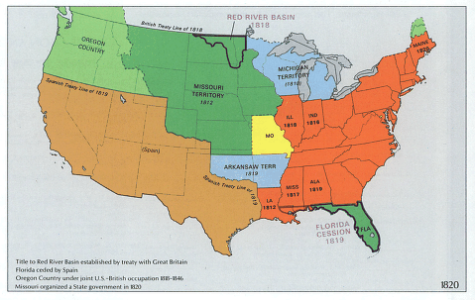
The United States in 1820.
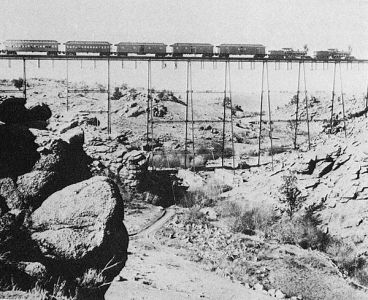
The new American railways, anonymous photograph from 1860.


The market revolution in the northern United States in the mid-19th century marked a period of profound economic and social transformation. It saw the introduction of new technologies and transport systems, notably railways and steam-powered factories. These innovations accelerated production and stimulated industrial growth, moving society from a predominantly agrarian structure to a thriving industrialised economy. The transition to a market economy was accompanied by rapid urbanisation, facilitated by a large influx of immigrants, particularly from Ireland and Germany. These immigrants provided the labour needed for industrial growth and contributed to the expansion of cities, transforming the urban landscape of the North. By contrast, the southern United States took a very different path, remaining faithful to an agrarian economy. Centred on the production of cash crops such as cotton and tobacco, the economy of the South was closely linked to the dependence of enslaved African-Americans on labour. This concentration on agriculture and dependence on slavery created a deep economic and social divide between the North and the South. This economic divergence, combined with the cultural and social differences between these two regions, created tensions that ultimately contributed to the outbreak of the Civil War. The rapid growth and industrialisation of the North contrasted sharply with the agrarian and slave economy of the South, fuelling disagreements over issues such as slavery, trade and states' rights. These fundamental differences shaped American history, leading to a conflict that would define the nation for generations to come.
The market revolution in the United States in the mid-19th century marked a period of profound economic change, at the heart of which was the rapid development of transport infrastructure. The construction of railways and canals changed the nation's economic landscape, facilitating the movement of goods and people and enabling unprecedented economic integration. In this period of transformation, the North, South, East and West of the country were linked as never before. Railways and canals not only enabled the export of goods from the industrial North to other regions, but also served as conduits for people, ideas and culture. This contributed to the formation of a more unified national identity, strengthening a sense of belonging and cohesion at a time when the country was beset by regional tensions. The impact of this transport infrastructure extended far beyond the economy. It enabled the expansion of industry and the growth of urban centres, particularly in the North. Cities became magnets for immigrants and workers, stimulating innovation and an entrepreneurial culture. Markets were now able to respond quickly to changing needs and demands, fuelling sustained economic growth. But these changes also affected the delicate balance between the different regions of the country. While the North rapidly industrialised, the South remained largely agrarian and dependent on slavery. Economic and cultural differences widened, laying the foundations for tensions that would culminate in the Civil War. The market revolution redefined the way Americans did business and lived their daily lives. It shaped a rapidly changing economy and society, linking regions, stimulating innovation and growth, but also exacerbating the divisions that would test the nation's resilience. The development of transport infrastructure has been a key factor in this transformation, an engine that has propelled the United States into a new era of prosperity and conflict.
Commercialization, the radical economic shift that marked the 19th century in the United States, transformed the way communities lived and did business. Prior to this period, many settler communities existed on the margins of the mainstream economy, relying on subsistence farming and limited trade. Bartering and self-sufficiency were often the main means of survival. With the advent of commercialisation, the country saw an increase in economic activity and the use of money in transactions. Bartering was replaced by the buying and selling of goods and services, and a greater dependence on market systems developed. This led to the growth of cities and industrial centres, attracting workers and entrepreneurs to new economic opportunities. However, this transition was not without its challenges. Commercialisation often led to the erosion of traditional community and family structures. The emphasis on the market economy diminished the importance of the community and family ties that had once been at the heart of American society. In many cases, values and traditions have been replaced by a focus on production, consumption and economic growth. The market revolution and commercialisation have also opened the door to new forms of commerce and industry. Technological innovation, the construction of railways and canals, and the rise of banks and financial institutions all helped to create a more dynamic and interconnected economic landscape. In short, commercialisation was a turning point in the economic history of the United States, laying the foundations for modern industrial society. It transformed rural and isolated communities into an economically integrated and interconnected nation. But this economic progress came with its own set of challenges and tensions, not least the erosion of traditional community and family values. The complexity of this transformation reflects the nuanced nature of progress and growth, revealing both the opportunities and the costs of living in a commercialised society.
Industrialisation, the transformational process that marked economic and social development in the 19th century, reorganised the way we produce and consume. Industrialisation refers to the development of industry on a large scale, characterised by the use of machines and the application of mass production methods. It marks the transition from manual labour to machine production, and the introduction of mass-produced interchangeable parts. This revolutionary process brought many benefits, but also raised new challenges. One of the most remarkable aspects of industrialisation is the increase in efficiency and productivity. Mechanisation has made it possible to produce more goods in less time, and with less labour. It has also made it possible to standardise products, reducing costs and making goods more accessible to a greater number of consumers. Industrialisation has also had a profound impact on the workforce. The need for skilled workers to manage sophisticated machinery has changed the nature of work, requiring new skills and training. At the same time, mechanisation has reduced the need for certain types of manual work, leading to displacement and changes in the structure of employment. In addition to economic changes, industrialisation has also had a significant social and environmental impact. Rapid urbanisation, the concentration of the population in industrial centres and often difficult working conditions have posed new challenges in terms of health, education and housing. In addition, industrialisation has led to greater consumption of natural resources and increased pollution. Industrialisation has been a key driver of modern economic development, fostering innovation, growth and improved quality of life for many. However, it has also brought challenges and tensions, particularly in terms of working conditions, social equity and environmental impact. Understanding these various aspects of industrialisation offers insights into how society and the economy can evolve, and the choices and trade-offs that accompany technological and economic progress.
Industrialisation in the United States in the 19th century was a turning point in the country's economic and social history. This transformation can be analysed in several paragraphs that highlight different aspects of this profound change. Industrialisation was characterised by the construction of large-scale industrial facilities. Mass production, made possible by the application of new technologies and manufacturing methods, revolutionised the way goods were produced. This laid the foundations for a more dynamic and diversified economy. One of the most striking social changes during this period was the increase in the percentage of wage earners in the working population. In 1800, around 10% of the working population were wage earners, but this figure had risen to around 40% by 1860. This change was largely due to the growth of factory jobs and the gradual move away from agricultural work, reflecting a fundamental transformation in the nature of work and employment. Industrialisation also stimulated rapid urbanisation. As people moved to urban areas to work in factories, new towns and villages sprang up, and existing urban centres expanded rapidly. This not only changed the geographical landscape, but also led to a transformation in lifestyles, with new opportunities and challenges. Taken together, these changes have had a profound impact on American society and the economy. The transition from an agrarian to an industrial economy created new opportunities for wealth and advancement, but also raised questions about working conditions, social inequalities and class tensions. The role of government, the emergence of labour movements, and debates about regulation and reform became central themes of this period. The period of industrialisation in the United States was one of rapid and radical transformation. The growth of industry, changes in the workforce and urbanisation redefined the American economy and society. These changes continue to influence the country today, and an understanding of this historical period is essential to grasping today's socio-economic dynamics.

The period of industrialisation in the United States brought profound changes to the North East region and to society in general. The changes were so profound that they can be described in terms of several aspects that shed light on this important transition. The North-East of the United States was the most industrialised region in the country during this period. The construction of large factories, particularly in the textile industries, marked a break with the traditional image of the United States as a nation of free, self-sufficient peasant settlers. This economic transformation created new opportunities, but also posed new challenges. One remarkable aspect of industrialisation was the employment of women and girls in factories, particularly in the textile industry. Before marriage, many of them found jobs in these factories, contributing to the family income. This not only improved the standard of living for many families, but also began to change the way society viewed the role of women in the economy. Increased wage-earning and rapid urbanisation led to profound changes in social structure and lifestyles. People migrated to the cities to find work, changing family and community structures. Working conditions in factories also raised new questions about workers' rights, employer-employee relations and social justice. These changes had a lasting impact on American society and the economy. Industrialisation created unprecedented prosperity, but also accentuated inequalities and social tensions. The emerging role of women in the economy has paved the way for wider discussions on gender rights and equality. Urbanisation has redefined culture and lifestyle, creating both opportunities and challenges. The period of industrialisation was a time of rapid change and transformation in the United States, particularly in the North East. It reshaped the economy, society and even national identity. Understanding these changes and their long-term implications can offer important insights into contemporary challenges and opportunities in the United States.
The expansion of industrialisation in the 19th century United States not only reshaped the economy but also had a major impact on everyday life and the traditional roles of men and women. The nuances of these changes can be explored through different aspects. During this period, many factory workers, both men and women, were subjected to long working days and often worked overtime at night. Working conditions were often difficult, and wages were low. This reflected the harsh reality of the fledgling industrial economy, where workers were often exploited. As well as factory work, some women found opportunities to work from home. Under contract to the factories, they carried out tasks such as sewing clothes using Singer machines. Although these home-based jobs offered greater flexibility, the wages were often very low, reflecting another facet of the exploitation of female labour. Women's work in these factories and home-based contracts enabled them to earn extra income and contribute to the family finances. This had a significant impact on the economy of working-class families, providing opportunities but also imposing additional pressures on women who had to balance family and professional responsibilities. It also began to change traditional gender roles. Women were increasingly participating in working life and taking on responsibilities outside the home. This not only expanded opportunities for women but also posed new challenges in terms of gender equality and family relations. Increased production of goods and services, thanks in part to the female workforce, has led to economic growth. Industrialisation stimulated demand for consumer goods and contributed to the expansion of the domestic market. The period of industrialisation brought complex and sometimes contradictory changes to the lives of American workers. Economic opportunities were accompanied by challenges and exploitation. The growing role of women in the industrial economy opened up new avenues but also revealed persistent inequalities. Understanding these dynamics offers valuable insight into the social and economic transformation of America at this crucial time.
The period of industrialisation in the United States not only transformed the economy and the workforce, but also had a profound impact on the education system, particularly in the development of the teaching profession. With urbanisation and economic expansion, there was a growing need for education to prepare the workforce and educate citizens. The growth of the state school system was therefore a natural response to these societal needs. The dominant bourgeois ideology of the time played a key role in the way the teaching profession developed. This ideology emphasised the ideal of motherhood and saw women as the natural guardians and educators of children. Women's traditional role within the family was thus extended to the school, where they were seen as mother figures for pupils. Women's role as natural educators made the teaching profession a suitable and respectable career option for them. This allowed women to enter the professional sphere without violating the social norms of the time. This compatibility between the ideal of motherhood and the teaching profession led to a significant increase in the number of women entering the profession. They brought a feminine touch to education and helped shape the next generation of citizens. The expansion of the state school system, with increasing numbers of women teachers, has helped to promote education and literacy among the population. This has made it possible to educate more children and broaden access to education beyond the privileged classes. The profession of schoolteacher in the United States during the period of industrialisation reflects the social and cultural complexities of the time. It shows how gender roles were used to shape the profession, and how the profession itself helped to promote education and literacy. It is a perfect example of how economic and industrial change can have a profound and lasting impact on other aspects of society, such as education and the role of women.
The struggle of the working class during the period of industrialisation in the United States was characterised by unique challenges, highlighting the complexity and difficulties of the working class condition. The period of industrialisation saw large numbers of workers employed in conditions that were often difficult and inhumane. Long hours, low pay and dangerous working conditions were the norm for many. With the influx of immigrants and the rapid growth of industry, there was often a surplus of labour. This put workers in a weak position to negotiate better conditions, as employers could easily replace those who demanded improvements. The working class was often divided by ethnicity, race and gender. These divisions made it difficult to organise and create a united front to fight for workers' rights. Prejudice and internal tensions often hampered workers' solidarity. Organising into trade unions was difficult and often met with fierce opposition from employers and sometimes even the government. The means available to workers to air their grievances were limited and often ineffective. The situation in the United States differs from that in Latin America, where the challenges faced by the working class may have been shaped by different factors such as political structures, economic systems, and the social and cultural conditions specific to each region. The struggle of the working class during the period of industrialisation in the United States shows how complex and difficult the situation can be. Working conditions, internal divisions and organisational challenges created a situation where workers struggled to improve their living conditions. This illustrates the challenges inherent in the collective effort for social change and highlights the need for a deep and nuanced understanding of the social, economic, and cultural factors that influence these dynamics.
Immigration
In the middle of the 19th century, the United States experienced an exceptional demographic explosion. This growth, driven by high reproduction rates and a massive influx of immigrants, transformed the nation in many ways. The population grew from 5.3 million in 1800 to 31.5 million in 1860, and this change had a profound impact on American society, economy and politics. One of the reasons for this population growth was the high reproduction rate within the existing population. With larger families and falling infant mortality rates, the population naturally grew. This internal growth paved the way for societal change, stimulating the economy and creating demand for increased services and opportunities. Alongside natural growth, the massive influx of immigrants from Europe, particularly Ireland and Germany, has had a major influence on the demographic explosion. The promise of economic opportunity and freedom in the United States attracted thousands of people seeking a better life. These immigrants not only contributed to population growth but also diversified American culture. Rapid population growth fuelled westward expansion, urban growth and industrialisation. Increased demand for labour fuelled the growth of industry, while urbanisation transformed cities into economic and cultural centres. The diversification of the population also led to changes in lifestyles and family roles, influencing the social structure of the nation. The demographic explosion was not without its tensions. It exacerbated disagreements between North and South, particularly over slavery and political representation. Some historians see this growth as a contributing factor to the tensions that led to the Civil War. The demographic explosion of the mid-19th century in the United States is a fascinating chapter in American history. It indelibly shaped the nation, influencing its economy, society, politics and culture. Understanding this period and its implications provides a better grasp of the complexities of American history and the challenges and opportunities that marked this crucial era. How the United States navigated through these challenges provides an illuminating perspective on the resilience and adaptability that continue to characterise the nation today.
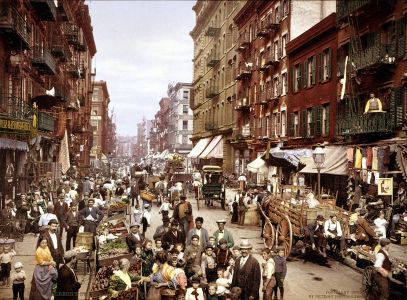
Little Italy in New York, ca.1900.
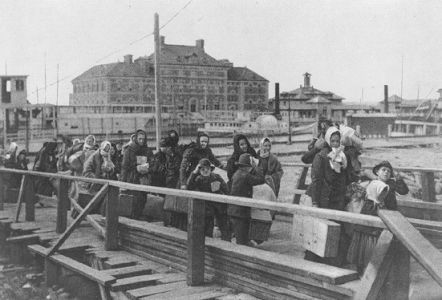
Immigrants arriving at Ellis Island, 1902.
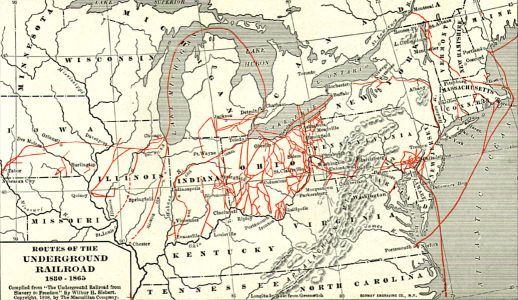
The routes taken by the Underground Railways.


The mid-19th century saw an unprecedented wave of immigration to the United States. Political, economic and social factors converged, triggering a mass exodus from Europe to America. This crucial period contributed to the demographic explosion of the United States, shaping the trajectory of the nation. The Napoleonic Wars left Europe devastated and unstable. With the rise of industrialisation, the traditional agricultural way of life was undermined, and the small peasantry declined. Faced with extreme poverty and a lack of economic prospects, many Europeans sought refuge in the United States, attracted by the promise of opportunity and prosperity. 1848 was a pivotal date, often referred to as the "Year of Revolutions" or the "Spring of Nations". Many European countries were shaken by protests and uprisings. The Communist Manifesto, published the same year by Marx and Engels, expressed widespread frustration with the capitalist system. These political upheavals prompted even more people to emigrate to the United States. As well as political unrest, many immigrants were also fleeing religious and political persecution. Famines, particularly the Great Famine in Ireland, exacerbated the situation, forcing more people to seek a new future in the United States. The complexity of circumstances in Europe, ranging from wars to revolutions and economic crises, led to a massive wave of immigration to the United States in the mid-19th century. These immigrants not only contributed to the country's demographic growth but also profoundly influenced American culture and economy. Their arrival marked a turning point in the history of the United States, injecting a vitality and diversity that continues to enrich the nation today.
The mid-19th century marked a turning point in the history of Ireland and the United States, with the tragedy of the Great Irish Famine having a lasting impact on both nations. The Great Famine, also known as 'An Gorta Mór' in Irish, was a period of deep distress for Ireland. Between 1845 and 1849, a disease called late blight destroyed the potato crop, which was then the staple food for much of the population. The result was a devastating famine, in which around a million people died of starvation or malnutrition-related diseases. Not only did the famine cause mass mortality, it also destabilised Ireland's economy and social structure. Dependence on the potato was such that its collapse left entire communities destitute. Poverty deepened, families were broken up, and confidence in the British authorities, who administered Ireland at the time, was shaken by their inadequate handling of the crisis. The famine prompted many Irish people to seek better opportunities elsewhere, and the United States became a popular destination. Between 1830 and 1860, almost 45% of immigrants to the United States came from Ireland. They sought not only food and work, but also the promise of freedom and opportunity that America offered. The massive influx of Irish immigrants to the United States contributed to the country's demographic explosion, but it also posed integration challenges. Irish immigrants often encountered prejudice and discrimination. Nevertheless, they have helped shape American identity and culture, bringing with them their Celtic heritage and resilient spirit. Their presence also influenced American politics and the labour movement. The Great Irish Famine and subsequent immigration to the United States offer a poignant study of how a natural disaster can reshape the destiny of a nation and create shockwaves that transcend borders. The memory of this period lives on in Irish-American history and culture, and continues to be a reminder of human frailty in the face of nature, as well as the ability to overcome adversity and forge new lives in foreign lands.
The mid-19th century in the United States was marked by a major wave of immigration. This period saw not only the arrival of Irish immigrants, as mentioned earlier, but also Germans, Scandinavians and other ethnic groups. The impact of these immigrants on the development of the United States can be explored through urbanisation, agricultural growth and cultural diversification.
Many German and Scandinavian immigrants were attracted to the fertile lands of the Midwest, where they could establish farms and start new lives. These immigrants often had farming experience and sought to capitalise on the opportunities available in American agriculture. These new arrivals made a significant contribution to the region's agricultural development. They brought with them advanced farming techniques and traditions of hard work that helped make the Midwest the breadbasket of America. Their presence stimulated the local economy and strengthened the United States' position as an agricultural power. Other immigrants, less well-off and often with no farming experience, settled in port cities such as New York and Boston. These cities served as points of entry for millions of immigrants and quickly became centres of economic opportunity. The influx of immigrants into the cities led to rapid urbanisation. Immigrants worked in factories, warehouses and shipyards, fuelling the American Industrial Revolution. This abundant, cheap labour helped make the United States an emerging industrial power. Mass immigration to the cities also led to a rich cultural diversity. Neighbourhoods like Little Italy and Chinatown in New York have become symbols of the American cultural mosaic. The food, music, language and traditions of various ethnic groups have enriched the American cultural landscape. Immigration in the mid-19th century shaped the economic and cultural development of the United States in profound and lasting ways. Whether through the agricultural development of the Midwest or the urbanisation and industrialisation of the major cities, immigrants played a key role in the country's transformation. Their legacy continues to influence American identity, reflecting the promise and possibility of America as a land of opportunity and diversity.
The migration of blacks from the South to the North in the mid-19th century was a significant milestone in American history. Not only did it play a role in the demographic explosion, it also had a profound impact on culture, society and the civil rights movement. This migration was primarily motivated by the desire to escape increasing racial discrimination and segregation laws in the South. The Supreme Court's decision in the Dred Scott case in 1857, which affirmed that blacks were not constitutionally protected citizens, exacerbated the situation. In addition, the prospect of a better life in the North with more economic opportunities and fewer legal restrictions attracted many blacks. A crucial aspect of this migration was the Underground Railroad, a complex network of routes and safe havens for runaway slaves. Quakers and other dedicated abolitionists played a vital role in providing aid and safe havens for slaves seeking to reach the North. Blacks who migrated north often settled in cities, contributing to urban growth. They found work in a variety of sectors, including factories, shipyards and domestic service. Their presence strengthened the economy of the North and contributed to its industrial development. This migration also influenced the culture of Northern cities. African influences in music, dance, cuisine and other aspects of cultural life enriched these communities and laid the foundations for future cultural movements such as the Harlem Renaissance. The migration of blacks from the South to the North in the mid-19th century was a critical period that influenced not only demographics but also the social and cultural landscape of the United States. It highlighted the racial inequalities of the time and stimulated momentum towards the abolition of slavery. It also laid the foundations for the civil rights struggles that would take shape over the next century. The combination of this migration with European immigration shaped America's unique and diverse identity, demonstrating how population movements can have a lasting impact on the development of a nation.
The gap between rich and poor
The widening gap between rich and poor in the United States in the mid-19th century is a manifestation of the complex process of industrialisation, the development of capitalism, and changing social and economic structures. The 19th century was marked by the Industrial Revolution in the United States, a period of rapid expansion of industry and technological innovation. The ability to produce goods on a large scale enabled some entrepreneurs to become extremely wealthy. Figures such as John D. Rockefeller (oil), Andrew Carnegie (steel) and Cornelius Vanderbilt (railways) acquired immense wealth by dominating their respective industries. These 'barons' managed to centralise power and wealth by eliminating or absorbing competitors, controlling raw materials and manipulating prices. While the industrial elite accumulated fortunes, the working class struggled to survive. Many workers, especially immigrants, were subjected to miserable wages and deplorable working conditions. The days were long, the conditions often dangerous, and there was little or no protection for workers. Poverty also gave rise to shanty towns in the big cities. Entire families lived in substandard housing, without access to sanitation or adequate medical care. The growing gap between rich and poor was also characterised by the formation of a financial and industrial aristocracy. This elite was made up of old families and the nouveau riche who controlled a disproportionate share of the country's wealth. Families like the Roosevelts and Whitneys, who had roots in the colonial merchant elite, continued to wield significant influence, often combining their wealth with public service and philanthropy. The gap between rich and poor in the United States in the mid-19th century reflects a period of profound economic and social change. Industrialisation and the emergence of capitalism created both opportunities and challenges, winners and losers. This period laid the foundations of the modern economy, including the inequalities that still persist today. The lessons learned from this era continue to inform debates about the regulation of industry, the protection of workers, the fair distribution of wealth and the social responsibilities of economic elites.
In the mid-19th century, the Roosevelt and Whitney families were part of the wealthy merchant class elite in the United States. The Roosevelts were a prominent family with deep roots in American history. Their fortune came mainly from shipping and importing. Later, they also became influential political players, with members of the family serving in prominent public roles, such as Theodore Roosevelt, who became President in 1901.The Whitney family were another symbol of the merchant elite, having built their fortunes through the cotton trade. Their wealth and influence in business and politics were also remarkable.
Central Park, created in 1858, was an ambitious project to provide a green leisure space in the heart of New York. But beyond its role as a public park, it also symbolised the class divisions of the time. The design and location of Central Park made it a favourite leisure spot for the wealthy. The carefully landscaped grounds, sophisticated activities and general atmosphere were more in tune with the tastes and interests of the elite than the working class. The working class and the poor often had little or no access to Central Park. Whether due to geographical location, social norms, or the indirect costs associated with visiting the park, Central Park was largely perceived as a domain reserved for the elite. In the mid-19th century, the United States was undergoing a rapid transformation, marked by industrialisation and urbanisation. Families such as the Roosevelts and Whitneys embodied the rise of a new wealthy elite, whose wealth and influence contrasted sharply with the precariousness of the working class. Central Park, in this context, can be seen as a microcosm of this inequality, reflecting a society where opportunities and advantages were unevenly distributed. This era offers a glimpse into the tensions and challenges that have shaped modern America, including the enduring issues of inequality and social justice.

Theodore Roosevelt's family (1903).

The Kennedy family in the summer of 1931.
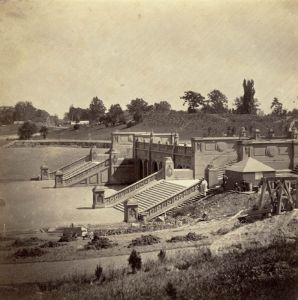
Central Park during its construction.


By 1860, the richest 5% of American families controlled more than half of the country's wealth.
The mid-19th century in the United States was a time of rapid change. Industrialisation, urban growth and westward expansion were key features of this period. At the same time, the capitalist economic system developed, giving rise to unprecedented opportunities for wealth for some, but also creating significant inequalities. The statement that "by 1860, the richest 5% of American families controlled more than half of the country's wealth" highlights a striking economic situation in the United States during this period, and deserves further analysis. The mid-19th century in the United States was a time of rapid change. Industrialisation, urban growth and westward expansion were key features of this period. At the same time, the capitalist economic system developed, giving rise to unprecedented opportunities for wealth for some, but also creating significant inequalities. Individuals and families who were able to capitalise on these economic opportunities often managed to accumulate considerable wealth. Industrial tycoons, large landowners and successful entrepreneurs were among the 5% who controlled much of the country's wealth. Their influence extended far beyond the economy, also shaping the politics, culture and society of the time. This concentration of wealth created a marked disparity between rich and poor. The working classes and immigrants, in particular, were often faced with low wages and precarious living conditions. Wealth was often linked to political power, allowing the economic elite to influence laws and regulations in their favour. Wealth also influenced urban development, with the construction of monuments, parks and infrastructure often designed to reflect and serve the interests of the wealthy class. The concentration of wealth in the United States in 1860 was not simply a statistical fact, but a phenomenon that profoundly influenced the social, economic and political fabric of the nation. It raised fundamental questions about fairness, opportunity and democratic values that continue to resonate today.
The history of the Kennedy dynasty in the United States, and the events of the mid-19th century that shaped the political attitudes of many Irish immigrants, raise several interesting points for further discussion.
The Irish famine of the 1840s led to a massive wave of immigration to the United States. Many Irish immigrants found themselves in precarious situations, living in poverty in cities such as New York. This poverty, coupled with animosity and prejudice towards the Irish, often led to social tensions and even violence. The New York riots of 1863, for example, were partly fuelled by these tensions. Faced with discrimination and economic challenges, many Irish sought ways to assert themselves in American society. For many, this included political involvement, and the Democratic Party became a natural ally for many of them. This alliance proved enduring and helped shape the political landscape of the time. The Kennedy family is a striking example of the success and political influence of Irish-Americans. Their rise to power was gradual, and their achievements are closely linked to the history of America.
- John F. Kennedy: 35th President of the United States, known for his charisma and his progressive stance on civil rights and the Cold War.
- Robert F. Kennedy: Attorney General and presidential candidate, committed to the fight against poverty and injustice.
- Ted Kennedy: Senator from Massachusetts, a major player in health, education and social justice legislation.
The Kennedy family continues to be an influential force in American politics, representing a commitment to liberal and progressive ideals. Their legacy is complex and controversial, but it remains an important part of American political history. The situation of Irish immigrants in the mid-19th century, their political response and the rise of the Kennedy family are examples of how immigration, poverty, politics and identity can intertwine in American history. It highlights the challenges of integration and representation, as well as the potential of political engagement to bring about meaningful social change. It is a chapter in American history that still resonates today, particularly in debates about immigration, inequality and national identity.
The mid-19th century in the United States was a profoundly contradictory and conflicted period in terms of the rights and status of African Americans, particularly those who were free. Free African Americans living in northern cities were often perceived as a threat to white jobs and wages. This perception frequently led to discrimination and hostility in the workplace. Although free, these individuals were often confined to low-paid jobs with little chance of advancement. Antagonism towards the African-American community sometimes degenerated into open violence. Race riots, where white mobs attacked African-Americans and their property, were tragically common. A notorious example is the New York draft riots of 1863, in which African-Americans were lynched and their property destroyed. Segregation and racism were rife, even in the northern states. African-Americans were often excluded from public schools, public places and means of transport. These laws and practices were a reflection of the institutionalised racism that permeated many aspects of everyday life. Even as democracy expanded to include more white men, African-Americans were increasingly excluded from voting and political participation. This exclusion was often codified in law, creating a system where race was explicitly used to determine eligibility to vote. The fight against these injustices laid the foundations for the modern civil rights movement. Individuals like Frederick Douglass and organisations like the American Anti-Slavery Society worked tirelessly to promote the rights and dignity of African Americans. But the road to equality was long and fraught with obstacles, and it would take until the mid-20th century to see significant change. The mid-19th century was a time of contradictions for African Americans, where formal freedom coexisted with widespread discrimination, violence and exclusion. This highlights the complexity of the struggle for racial equality and how the history of this period still resonates today in the debates and challenges surrounding race in the United States. The paradox of extending democratic rights to some while curtailing them for others is a powerful reminder of how inequality and discrimination can be institutionalised, even within a democracy.
Even in the northern states, which were often considered more liberal and progressive in terms of civil rights, African Americans were far from equal before the law and society. Laws varied considerably from state to state. In some states, such as Massachusetts, African-Americans could testify in court, while in others, such as California, they were prevented from testifying against whites. These legal inequalities created a system in which the rights and privileges of African-Americans depended largely on where they lived. Access to jobs was also severely limited. African-Americans were often excluded from skilled and industrial jobs and confined to low-paid manual labour. Trade unions, which could have helped protect workers' rights, frequently excluded African-Americans from their ranks. Even in states where formal equality was recognised before the law, social segregation was commonplace. African-Americans were often excluded from public places, schools and means of transport, or relegated to separate and inferior sections of society. African Americans in the North fought tirelessly against these inequalities, often using the courts to challenge discrimination. Leading figures such as Frederick Douglass raised their voices and argued for equality and justice.
Discrimination and segregation often forced African-Americans to live in overcrowded, run-down urban areas, commonly known as ghettos. These neighbourhoods often lacked adequate public services, and employment and educational opportunities were limited. Despite these challenges, African-Americans showed great resilience by creating their own institutions. These included churches, schools, businesses and civic organisations that served their communities and offered support and solidarity. These institutions played a crucial role in preserving the culture, identity and aspirations of African Americans at a time when they were often excluded from mainstream society. Migration to the Northern states was seen by many as an escape from the more explicit and systematic oppression of the South. Although life in the North was far from ideal, it nevertheless offered relatively greater opportunities and freedoms.
The South: black slavery and white privilege
Between 1800 and 1860, the southern United States experienced significant economic growth thanks to the expansion of cotton growing and the slave trade. The invention of the cotton gin by Eli Whitney in 1793 was a major innovation that radically increased the productivity of cotton growing. It made the process of separating cotton fibres from the seeds much quicker and more efficient, encouraging the rapid expansion of cotton growing in the South. Slavery was the mainstay of this booming economy. Plantation owners used slave labour to grow and harvest cotton, as well as for other agricultural and domestic tasks. Life on the plantations was often brutal and inhumane, with few or no rights for slaves, who were often subjected to violence and severe punishment. Although the system of slavery benefited an elite group of plantation owners and other wealthy whites, it also contributed to a rigid, hierarchical society where rights and opportunities were largely determined by race. Many poor whites in the South, who did not own slaves, were also economically disadvantaged by the system, as they found themselves in competition with slave labour. The end of slavery after the Civil War did not put an end to these inequalities. Discrimination, segregation and economic oppression continued to affect African Americans in the South and across the country for decades. The effects of these historical injustices are still present in many aspects of American society today, particularly in areas such as education, employment and housing. The story of the South's economic growth in the 19th century, fuelled by cotton farming and slavery, is a powerful illustration of how wealth and power can be accumulated at the expense of human rights and dignity. It offers important lessons about the costs and consequences of inequality and exploitation, and continues to resonate in contemporary debates about race, justice and opportunity in America.

Cotton King
This illustrates the stark contrast between the wealthy and influential plantation owners, often referred to as "cotton kings", and the brutal conditions to which enslaved blacks were subjected. The rapid expansion of the textile industry in England and the northern United States created an unprecedented demand for raw cotton. The South, with its favourable climate and slave workforce, was ideally placed to meet this demand. These owners of large cotton plantations played a central role in the Southern economy, controlling not only production but also the transport and sale of cotton. Their wealth and influence extended far beyond the region, and they exerted considerable influence on national politics, particularly on the issue of slavery. Working conditions on the cotton plantations were often extremely brutal. The days were long and exhausting, and slaves were subjected to severe corporal punishment. Many slaves were separated from their families and denied any education or opportunity for self-improvement. While the "cotton kings" grew rich, the vast majority of white Southerners did not own slaves and lived in modest conditions. This contrast between the wealthy plantation owners and the majority of the white population created social and economic tensions in the region. The economic system based on slavery and cotton left a lasting legacy in the South. After the Civil War, the South struggled to diversify economically, and racial and economic inequalities persisted. Cotton farming also had an ecological impact, depleting soils and contributing to long-term agricultural problems. The rise of the "cotton kings" and the expansion of cotton growing in the South in the 19th century are complex and significant chapters in American history. They show how wealth and power can be concentrated in the hands of a few, while revealing the human and social costs of an economic system based on exploitation and inequality.
Eli Whitney's invention of the cotton gin in 1793 was a key factor in the transformation of the Southern economy and the growth of the slave system. Before the cotton gin, cotton had to be ginned by hand, which was a long and laborious process. Eli Whitney's machine could do the job much more quickly, enabling greater production. Increased efficiency in cotton production made the crop more profitable, prompting plantation owners to expand their cotton-growing land. This expansion spread throughout the South, including the new territories and states. Increased cotton production required more labour, and this led to an increased demand for slaves. The number of slaves in the South increased significantly during the 19th century, creating a system where millions of people were dehumanised and treated as mere property. Increased cotton production had repercussions beyond the United States, fuelling the textile industry in Europe and creating an international cotton trade network. This strengthened the economy of the South and gave it considerable influence. Although the invention of the cotton gin led to economic prosperity for some, it also exacerbated inequality and suffering for many others. Increased reliance on slavery reinforced a racist and oppressive system, the effects of which are still felt today. The invention of the cotton gin is an eloquent example of how a technological innovation can have a profound and lasting impact on society. While it enabled economic growth and shaped the South as a "cotton kingdom", it also reinforced a brutal system of slavery that has left a deep scar on American history.

The rapid growth of the cotton industry in the southern United States during the 19th century was both an engine of economic prosperity and a source of deep and lasting controversy. The explosive growth of cotton as an export enriched many plantation owners and stimulated the Southern economy. The global demand for cotton created a vigorous trade dynamic and made the South an economically powerful region. This economic growth was inextricably linked to slavery. The number of slaves more than quadrupled between 1770 and 1860, and although the international slave trade was banned in 1808, the internal slave trade and natural increase perpetuated and amplified this inhumane system. The South's dependence on slavery and its economic importance exacerbated tensions with the North, where slavery was in decline and attitudes towards it were increasingly hostile. This fuelled political and social conflict that eventually led to civil war. The South's economic power and dependence on slavery had an impact on national politics, with compromises such as the Compromise of 1820 and the Compromise of 1850 attempting to maintain an uneasy balance between slave and non-slave states. The effects of the cotton industry and slavery are still felt today. The racial inequalities, regional divisions and socio-economic challenges that were accentuated during this period continue to influence American society. The growth of the cotton industry in the 19th century is a complex and nuanced example of how trade and industry can be both a source of prosperity and a catalyst for deep conflict. It also illustrates how economic and technological decisions (such as the invention of the cotton gin) can have significant social and moral consequences. The central role of slavery in this story serves as a sombre and powerful reminder of the human costs that can be associated with economic growth.
Natural increase was the main reason for the growth of the slave population in the South during the 1800s. After the ban on the importation of slaves into the United States in 1808, natural increase became the primary means of increasing the slave population. It is important to note that this "natural increase" occurred in a context of brutal control and coercion. Slave owners often encouraged forced reproduction among slaves in order to increase their workforce. They separated families, sold children, and the family life of slaves was often precarious and unstable. The demand for labour on cotton plantations and the economic value of slaves as "property" exacerbated these abuses. The increase in the number of slaves, and their concentration in cotton-producing regions, was one of the most striking features of the pre-Civil War economy of the South. These trends had a major impact on American society and politics, contributing to the tensions that eventually led to the Civil War. The issue of slavery was at the heart of many major debates and compromises, and the growth of the cotton industry and the corresponding reliance on slave labour exacerbated these divisions. The history of slavery in the United States, and in particular the expansion of slavery in the cotton industry, remains a central and controversial aspect of American history. Its impact and legacy continue to shape American society, culture and politics to this day.
In the American South in the 1800s there was a modern and expanding economy based on an inhumane and backward labour system. On the one hand, the cotton industry was at the cutting edge of economic modernity, with technological innovations such as the cotton gin, and global trade linking the South to international markets. Plantation owners and slave traders used advanced methods of accounting, management and organisation, and the Southern economy was integrated into a nascent capitalist system. On the other hand, this system was based on the total dehumanisation of a large part of the population. Slaves were bought and sold like property, and their labour was extorted through violence and coercion. Their daily lives were often marked by deprivation, mistreatment and a total lack of freedom or rights. The wealth and economic progress of plantation owners was literally built on the backs of those they enslaved. This combination of economic modernity and human oppression is one of the most striking paradoxes in American history. It underlines the extent to which the slave system was rooted not only in the culture and society of the South, but also in its economy. The tension between these archaic and modern elements helped shape politics and society before the Civil War, and continues to influence the way Americans understand this period of their history. The coexistence of these modes of production also had a lasting impact on the country's economic, social and racial development, the effects of which are still felt today.
The dichotomous society of the nineteenth-century American South, based on the sharp divide between free whites and enslaved blacks, was a complex and pernicious structure that continues to influence contemporary American society. The economy of the South was deeply dependent on slavery. Enslaved people performed laborious work on plantations, in mines and in transportation. Plantation owners, a small fraction of the white population, controlled much of the wealth and power. This economic wealth rested on the backs of those who were enslaved and dehumanised. This economic system was reinforced by laws and policies designed to maintain social hierarchy. Strict slave laws controlled the lives of enslaved people, while the poor white population was placed above slaves in the social hierarchy. These laws created a legal system that actively supported the dichotomy between whites and blacks. Beyond economics and law, this division was also deeply rooted in the social and cultural hierarchy of the South. Attitudes, traditions and beliefs reinforced the perception that whites were superior and blacks inferior. This entrenched social caste continued long after the abolition of slavery, affecting future generations. Free African-Americans: The presence of a population of free African-Americans adds to the complexity of the Southern racial system. Although they were free, they were often subject to discriminatory laws and deprived of many rights. Their precarious situation testifies to the way in which the system went beyond a simple division between slaves and free men. The impact of this social structure is still felt today, particularly in the persistence of racial inequalities and stereotypes. The system of slavery and white privilege in the southern United States in the 19th century left a lasting legacy that continues to resonate in modern society. Understanding this era and its lasting effects is essential to addressing contemporary issues of race and inequality in America.
The gap between rich and poor whites
During the crucial period from 1820 to 1850, the southern United States was in the grip of growing socio-economic tensions that shaped the path leading to the Civil War. This state of affairs was characterised by several interdependent elements. The Southern economy was deeply rooted in agriculture, with a particular dependence on cotton growing. Plantation owners derived their wealth from the exploitation of enslaved people, who provided the labour for this thriving industry. However, this wealth was largely concentrated among a wealthy white elite, driving a wedge between them and the majority of white Southerners. Most white Southerners were not wealthy plantation owners, but rather farmers or labourers who often lived in poverty. They had no access to the wealth, power or opportunities available to the elite. This socio-economic inequality was a persistent source of tension within Southern society. Enslaved African-Americans were an essential part of the economy, being the main workforce on the plantations. They were deprived of basic human rights and reduced to a condition of property. Their existence in this dehumanised state underlined the moral and ethical contradictions of the time. Although the South shared many characteristics with the North, including an economic disparity between rich and poor, the South was distinct in that it was more dependent on agriculture and slavery. This unique dependence created its own social and economic dynamics that helped to widen the gap between the two regions. The dichotomy between the wealthy plantation owners and the poor majority, combined with the dependence on slavery, created a complex social landscape in the South. The resulting inequality and tension provided fertile ground for conflict, contributing to the outbreak of the Civil War. Understanding this period and the complexity of its economic and social issues is essential to grasping the origins and consequences of one of the most tumultuous periods in American history.
In the complex and often contradictory South of the 1800s, slavery was a pervasive institution whose effects were felt at every level of white society, even though only a small minority of whites owned slaves directly. Only a small percentage of Southern whites, around 1.5%, owned more than five slaves. This small elite group was largely responsible for large-scale agriculture and most of the region's wealth. The majority of whites, around 64%, did not own slaves, but nevertheless benefited indirectly from the institution of slavery. Enslaved people performed the most arduous and least desirable tasks, enabling poor whites to access more attractive and better-paid jobs and opportunities. A particularly revealing mechanism was the 'slave lending' system, whereby plantation owners lent slaves to small farmers and sharecroppers. In exchange for a share of their crop or a small fee, these whites could access the benefits of slave labour without owning them directly. While extending the economic benefits of slavery to a wider group, these arrangements also magnified the moral and ethical problems associated with the dehumanisation and oppression of enslaved people. The fact that so many people benefited from this system highlighted the deep social and ethical contradictions that ultimately contributed to the Civil War. Slavery in the South in the 1800s was not simply a matter for wealthy plantation owners. It was integrated into the economy and society in a way that influenced the lives of the majority of white people, even those who did not own it directly. This allowed slavery to become a dominant force in Southern society, while contributing to the tensions and contradictions that eventually led to the Civil War. Understanding these nuances is essential to appreciating the profound and lasting impact of slavery on the American nation.
The embrace by many white Southerners of the independent peasant ideal of freedom and self-reliance during the 1800s provides a fascinating insight into how slavery was rationalised and sustained within that society. Many white Southerners, particularly small farmers and sharecroppers, saw themselves as independent and self-sufficient individuals. They believed they could make a living through hard work and determination, an image embodied by the Democratic Party, the dominant political party in the region at the time. These whites saw slavery as a necessary aspect of their freedom and autonomy. The labour of enslaved people was seen as essential to the functioning of the economy and society, and therefore to the maintenance of their own independence. This paradoxical view led to deep support for slavery among many white Southerners, who saw an inextricable dependence between white freedom and the perpetuation of slavery. Self-reliance and economic independence were linked to a system that denied these same rights to enslaved people. This belief was tested by the growing abolitionist movement in the North and the struggle for freedom for enslaved people in the South. The tensions between these conflicting ideals contributed to the outbreak of the Civil War, forcing the nation to confront the moral and ethical contradiction at the heart of slavery. The independent farmer's ideal of freedom and autonomy in the South of the 1800s illustrates the complexity and contradictions of the culture of slavery. It shows how a system based on oppression and dehumanisation could be interwoven with the values of independence and freedom, creating a social and political fabric that was both resilient and profoundly unstable. The disruption of this delicate balance was a key element that led to the Civil War and the subsequent transformation of the American nation.
The American Civil War, a conflict that tore the nation apart from 1861 to 1865, was the result of deep-rooted tensions and contradictions in Southern culture and society. Here's how the belief in the independent peasant ideal of freedom and self-reliance, and the conviction that white freedom depended on slavery, shaped these tensions and led to the war. The South was animated by the ideal of freedom and autonomy of the independent peasant, a value that was deeply rooted in the collective consciousness. This ideal glorified self-employment and individual property ownership, even among poor whites. Paradoxically, this notion of freedom was closely linked to the institution of slavery. Even the poorest whites believed that their autonomy and privileged status were directly linked to the humiliation and oppression of enslaved blacks. This close intertwining of slavery and the ideal of freedom led to fierce resistance to any attempt to abolish or change the status quo. The mere suggestion of racial equality was seen as a threat to the very identity of the South and its way of life. Faced with mounting pressure for abolition and social transformation, the South chose to secede from the Union. This dramatic choice was a desperate attempt to protect the institution of slavery and maintain a society in which whites were considered superior and privileged. The conflicting ideals of individual freedom and collective slavery formed a fragile social fabric in the pre-Civil War South. The tension between these values was a powerful catalyst that ultimately led to the Civil War. Understanding this complex dynamic offers important insights into the nature of the war, the legacy of slavery and the ongoing struggles for equality and justice in the United States.
The complexity of the years leading up to the Civil War in the United States lies in the way values, beliefs and legislation intertwined to create a highly divided and volatile society. The ideal of freedom and autonomy of the independent farmer was sacrosanct for white Southerners, even the poorest. This ideal was linked to the image of a white person who succeeded through his own hard work and ingenuity. This ideal of freedom was at odds with the reality of slavery, which provided the labour needed to sustain the Southern economy. The belief that white freedom depended on black slavery created a profound moral and ethical tension. Southern laws reinforced the separation between blacks and whites, and deprived blacks, whether free or enslaved, of fundamental rights and privileges. This legislation reinforced the belief in white superiority and the necessity of slavery. The constant comparison with the miserable conditions of enslaved people allowed poor whites to feel part of a white aristocracy. Even in poverty, they felt privileged compared to blacks. Wealthy plantation owners used these beliefs to mobilise poor whites behind the Democratic Party. They defended slavery and the racial status quo, relying on racial solidarity rather than economic class. These elements eventually combined to lead to civil war. The widening gap between rich and poor among whites, intransigence about abolition and fear of losing racial privilege inflamed tensions to the breaking point. Southern society before the Civil War was a complex mix of conflicting beliefs, racial privilege and economic tensions. The way these elements were manipulated and exploited by the ruling elite created the conditions for a devastating war. The resulting conflict was not only a struggle over the future of slavery but also a reflection of the profound challenges to equality, justice and identity that continue to shape America today.
Annexes
- Nacional, Defensa. “2 De Marzo De 1836, Texas Declara Su Independencia.” Gob.mx, www.gob.mx/sedena/documentos/2-de-marzo-de-1836-texas-declara-su-independencia.
- Barker, Nancy N. (July 1967). "The Republic of Texas: A French View". The Southwestern Historical Quarterly. 71.
- Calore, Paul (2014). The Texas Revolution and the U.S.–Mexican War A Concise History. Jefferson, NC: McFarland. ISBN 978-0-7864-7940-5.
- Edmondson, J.R. (2000). The Alamo Story: From Early History to Current Conflicts. Plano, TX: Republic of Texas Press. ISBN 1-55622-678-0.
- Hardin, Stephen L. (1994). Texian Iliad – A Military History of the Texas Revolution. Austin, TX: University of Texas Press. ISBN 0-292-73086-1. OCLC 29704011.
- Vazquez, Josefina Zoraida (July 1985). translated by Jésus F. de la Teja. "The Texas Question in Mexican Politics, 1836–1845". The Southwestern Historical Quarterly. 89.
- Weber, David J. (1992). The Spanish Frontier in North America. Yale Western Americana Series. New Haven, CT: Yale University Press. ISBN 0-300-05198-0.
- Winders, Richard Bruce (2004). Sacrificed at the Alamo: Tragedy and Triumph in the Texas Revolution. Austin, TX: State House Press. ISBN 1-880510-81-2.
- Morrison, Michael A. "Martin Van Buren, the Democracy, and the Partisan Politics of Texas Annexation". Journal of Southern History 61.4 (1995): 695–724. ISSN 0022-4642. Discusses the election of 1844. online edition.
- Polk, James K. The Diary of James K. Polk During His Presidency, 1845–1849 edited by Milo Milton Quaife, 4 vols. 1910. Abridged version by Allan Nevins. 1929, online.
- Smith, Justin Harvey. The War with Mexico, Vol 1. Vol 2. (2 vol 1919).<
- Ortega Blake, Arturo. Frontera de papel, tres hermanos en la Guerra México-Estados Unidos. México: Grijalbo, Random House Mondadori, 2004. ISBN 970-05-1734-9.
- John S.D. Eisenhower. "So Far from God: The U.S. War with Mexico, 1846-1848". UNIVERSITY of OKLAHOMA PRESS Norman, 1989.
- Crawford, Mark; Heidler, Jeanne; Heidler (eds.), David Stephen (1999). Encyclopedia of the Mexican War. ISBN 978-1-57607-059-8.
- Bauer, Karl Jack (1992). The Mexican War: 1846–1848. University of Nebraska Press. ISBN 978-0-8032-6107-5.
- Guardino, Peter. The Dead March: A History of the Mexican-American War. Cambridge: Harvard University Press (2017). ISBN 978-0-674-97234-6
- Henderson, Timothy J. A Glorious Defeat: Mexico and Its War with the United States (2008)
- Meed, Douglas. The Mexican War, 1846–1848 (2003). A short survey.
- Ralph K. Andrist (2015). The Gold Rush. New Word City. p. 29.
- "Gold rush". Encyclopædia Britannica. 2008
- Billington, Ray Allen, and Martin Ridge. Westward Expansion: A History of the American Frontier (5th ed. 2001)
- Billington, Ray Allen. The Far Western frontier, 1830–1860 (1962), Wide-ranging scholarly survey; online free
- "Annexation": The July–August 1845 editorial in which the phrase "Manifest Destiny" first appeared
- Johannsen, Robert W. "The Meaning of Manifest Destiny", in Sam W. Hayes and Christopher Morris, eds., Manifest Destiny and Empire: American Antebellum Expansionism. College Station, Texas: Texas A&M University Press, 1997. ISBN 0-89096-756-3.
- Sampson, Robert D. John L. O'Sullivan and His Times. (Kent State University Press, 2003) online
- « C’est notre destinée manifeste de nous déployer sur le continent confié par la Providence pour le libre développement de notre grandissante multitude. » (« It is our manifest destiny to overspread the continent alloted by Providence for the free development of our yearly multiplying millions »
- Howard Zinn, Une Histoire populaire des États-Unis, 1980, Trad.fr. Agone 2002, p.177
- Compromise of 1850
- Compromise of 1850 and related resources from the Library of Congress
- Texas Library and Archive Commission Page on 1850 Boundary Act
- Map of North America at the time of the Compromise of 1850 at omniatlas.com
- Hamilton, Holman (1954). "Democratic Senate Leadership and the Compromise of 1850". The Mississippi Valley Historical Review. 41 (3): 403–18. doi:10.2307/1897490. ISSN 0161-391X. JSTOR 1897490.
- Russel, Robert R. (1956). "What Was the Compromise of 1850?". The Journal of Southern History. Southern Historical Association. 22 (3): 292–309. doi:10.2307/2954547. ISSN 0022-4642. JSTOR 2954547.
- Waugh, John C. On the Brink of Civil War: The Compromise of 1850 and How It Changed the Course of American History (2003)
- Childs, Frances Sergeant. French Refugee Life in the United States: 1790-1800, an American Chapter of the French Revolution. Philadelphia: Porcupine, 1978. Print.
- Blackett, R.J.M. (2013). Making Freedom: The Underground Railroad and the Politics of Slavery. Chapel Hill, NC: University of North Carolina Press.
- Curtis, Anna L. (1941). Stories of the Underground Railroad. Archived from the original on March 31, 2012. (Stories about Thomas Garrett, a famous agent on the Underground Railroad)
- Frost, Karolyn Smardz (2007). I've Got a Home in Glory Land: A Lost Tale of the Underground Railroad. New York: Farrar, Straus and Giroux.
- Larson, Kate Clifford (2004). Bound For the Promised Land: Harriet Tubman, Portrait of an American Hero. New York: Ballantine Books. ISBN 0-345-45627-0.
- Still, William (1872). The Underground Railroad: A Record of Facts, Authentic Narratives, Letters, &c., Narrating the Hardships, Hair-Breadth Escapes and Death Struggles of the Slaves in Their Efforts for Freedom, As Related by Themselves and Others, or Witnessed by the Author. Philadelphia: Porter & Coates. (Classic book documenting the Underground Railroad operations in Philadelphia).
- Maier, Thomas (2003). The Kennedys: America's Emerald Kings. Basic Books. ISBN 978-0-465-04317-0.
- The Kennedy Family. The JFK Library
- Collier, Peter; David Horowitz (1994). The Roosevelts: An American Saga. Simon & Schuster. ISBN 0-671-65225-7.
- Schriftgiesser, Karl (1942). The Amazing Roosevelt Family, 1613–1942. Wildred Funk, Inc.
- William Richard Cutter. Genealogical and Personal Memoirs Relating to the Families of Boston and Eastern Massachusetts, Volume 3 (Boston: Lewis Historical Publishing Company, 1908) pp. 1400–1401. https://books.google.com/books?id=qaK9Vz1UdDcC
- "Racing Proud of Whitney Heritage: Three Generations of Family Prominent on American Scene; Among Founders of Jockey Club, Campaigned Abroad; Owned Two Derby Winners". Daily Racing Form at University of Kentucky Archives. 1956-05-05.
- Frank Lawrence Owsley, "The Confederacy and King Cotton: A Study in Economic Coercion," North Carolina Historical Review 6#4 (1929), pp. 371–397 in JSTOR
- Frank Lawrence Owsley. King Cotton Diplomacy: Foreign relations of the Confederate States of America (1931).
- Ashworth, John (2008). Slavery, capitalism, and politics in the antebellum Republic. 2. p. 656.</ref>
References
- ↑ Aline Helg - UNIGE
- ↑ Aline Helg - Academia.edu
- ↑ Aline Helg - Wikipedia
- ↑ Aline Helg - Afrocubaweb.com
- ↑ Aline Helg - Researchgate.net
- ↑ Aline Helg - Cairn.info
- ↑ Aline Helg - Google Scholar